


|
Prepare Time |
Roast Time |
Total Time |
|
20 minutes |
3 hours |
3 hours and 20 minutes |
Getting ready for Thanksgiving or any holiday? You can totally nail that roast turkey with the right prep. A few basic seasonings and some handy tools are all you need to achieve that crispy skin and juicy, flavorful meat, just like your mom used to cook.
I’ve been roasting turkeys every year for the past few years, and after plenty of trial and error, I’ve perfected a foolproof roast turkey recipe that will definitely exceed your expectations! This recipe includes step-by-step instructions, as well as ideal temperature and timing for roasting the perfect turkey.
Ingredients:
- 1 whole turkey
- 1 cup kosher salt for brining
- 1/2 cup unsalted butter, softened
- 1 tablespoon fresh ground black pepper
- 2 tablespoons fresh herbs like rosemary, thyme or sage, chopped
- 4 cloves of garlic
- 1 onion, quartered
- 2 stalks of celery, roughly chopped
- 2 carrots, roughly chopped
- 2 cups chicken or turkey broth for basting and gravy
Equipment:
- Roasting pan with a rack
- Wireless meat thermometer
- Basting brush
- Kitchen twine
- Aluminum foil
- Craving knife
- Cutting board
Spatchcock or Not to Spatchcock?
It all depends on your personal preference and cooking skills. Yes, spatchcocked turkey does allow for more even heating, as the legs and breast are on the same plane, which helps keep the meat juicy and tender while cutting the cooking time by nearly half. I’ve given it a shot, and I can say that the skin turns out much crispier when roasted this way.
That said, it does require some effort. You’ll need to use kitchen shears to cut the spine, flip the turkey over, and press down on the breastbone to butterfly it, which might put some people off. Plus, if you want a more traditional Thanksgiving vibe, a spatchcocked turkey might feel a bit out of place.
As Thanksgiving is just around the corner, this recipe will cook a non-spatchcocked turkey.
Related Readings:
Copycat Honey Baked Ham Recipe
Sous Vide Turkey Breast Recipe

What Temperature to Roast Turkey?
Since we choose to cook a non-spatchcocked turkey, setting the oven temperature to 325°F (163°C) allows for a gentle roast, reducing the risk of burning. Of course, you can choose to set a higher temperature to 350°F (177°C), if you prefer a crispier, golden skin, but this may heighten the risk of overcooking.
How Long to Roast a Turkey?
The general rule is to roast an unstuffed turkey for about 13 minutes per pound, while a stuffed turkey should be roasted for around 15 minutes per pound. That is, a 12- to 14-pound turkey will take 3 to 4 hours in the oven.
However, like cooking anything, the time can vary based on factors like the size of your turkey, as well as whether the turkey has been thawed. Therefore, the best way to ensure it’s done is to check the internal temperature rather than relying solely on the clock.

Roast Turkey Internal Temperature
The USDA's safety guidelines recommend cooking turkey to an internal temperature of 165°F (74°C) for safety. Well, let's just say that at this temperature, the turkey is absolutely safe, but it's definitely not tasty.
In fact, for large birds like turkeys, it’s safe to cook them at temperatures below 165°F. At this point, most harmful bacteria like Salmonella will be killed within 10 seconds, and since turkeys require long cooking times, cooking them above 150°F (66°C) is considered safe. Cooking at lower temperatures helps retain moisture, making the meat juicier.
If you’re still worried about safety, roasting your turkey to 157°F (69°C) strikes a good balance, ensuring it’s both safe and tender without drying out.

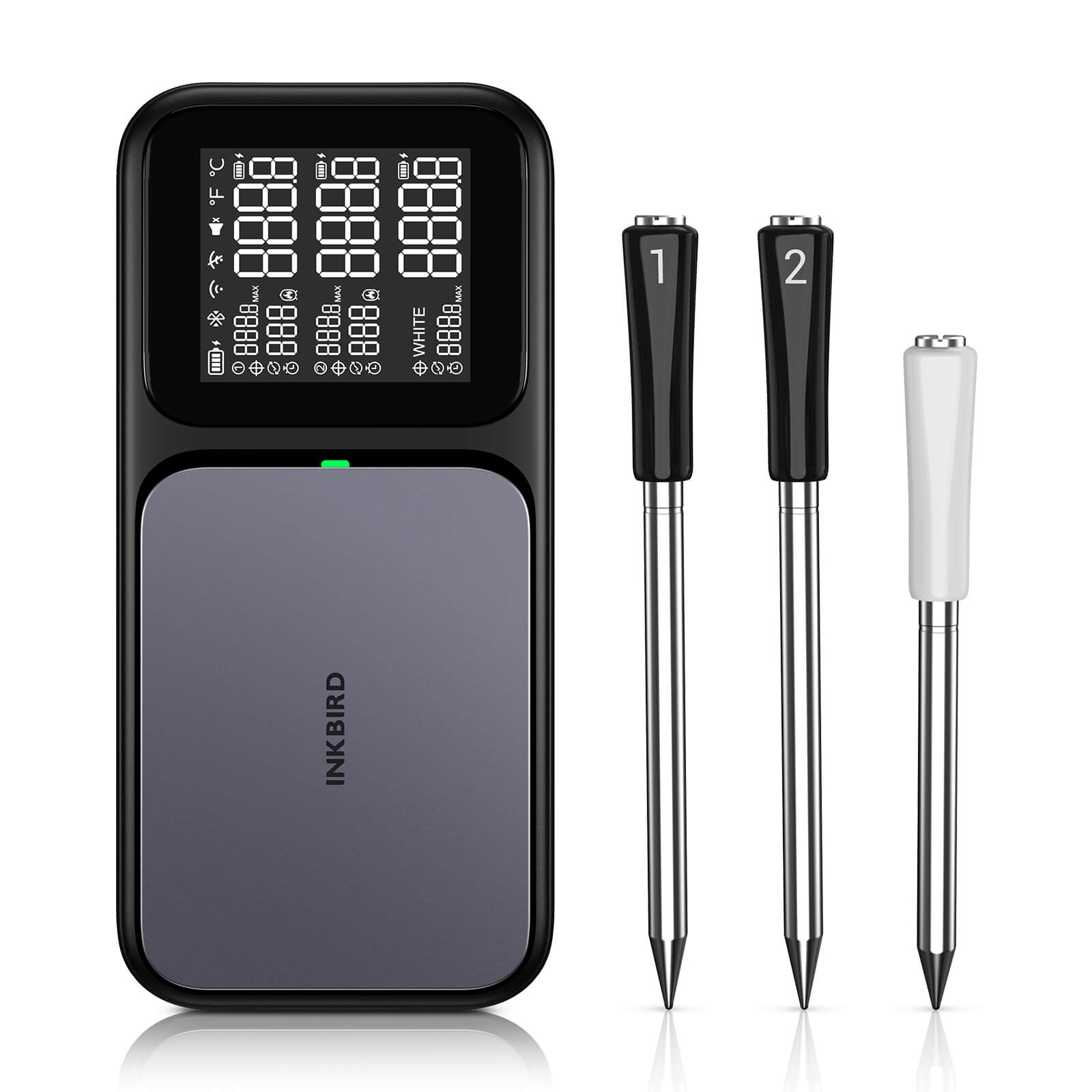
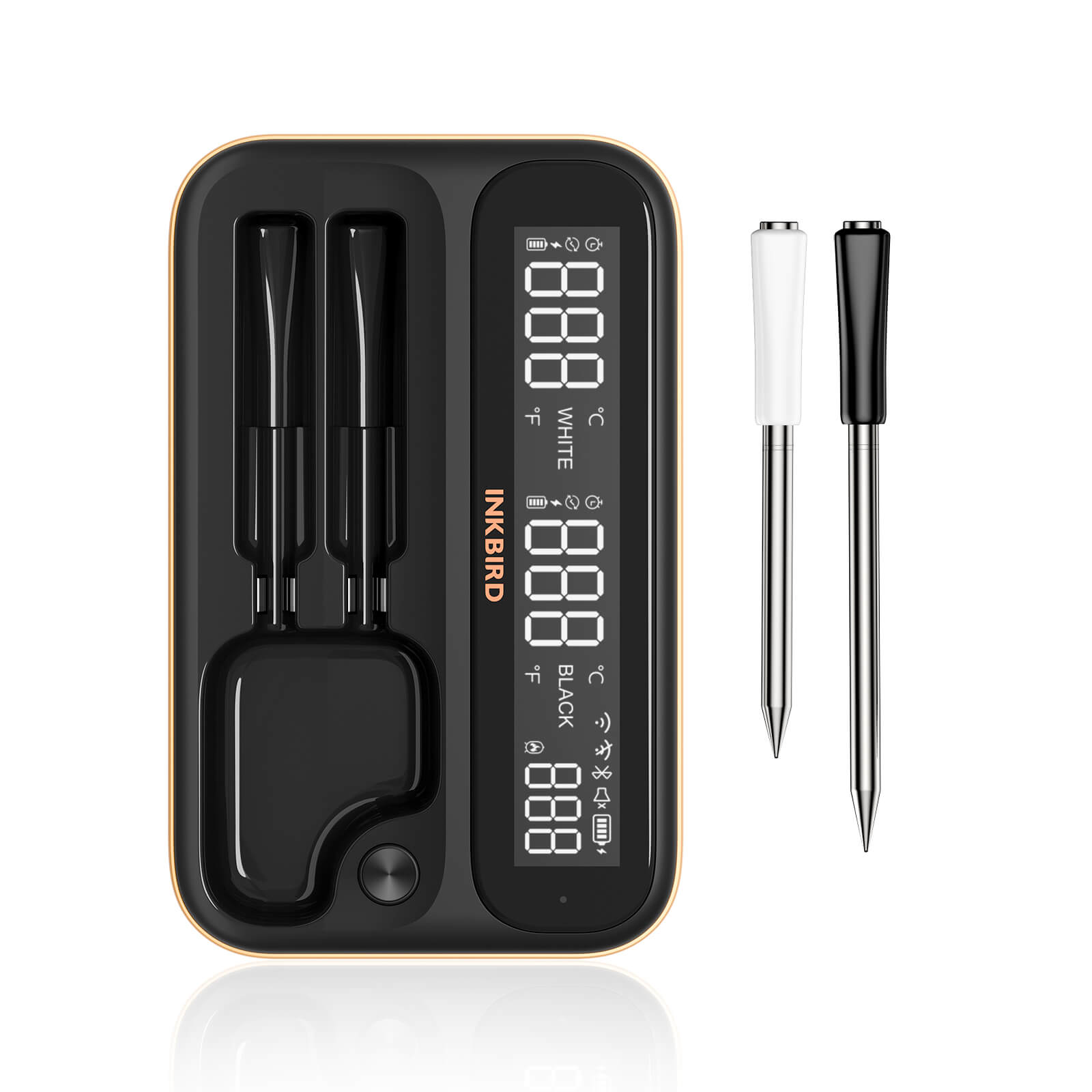
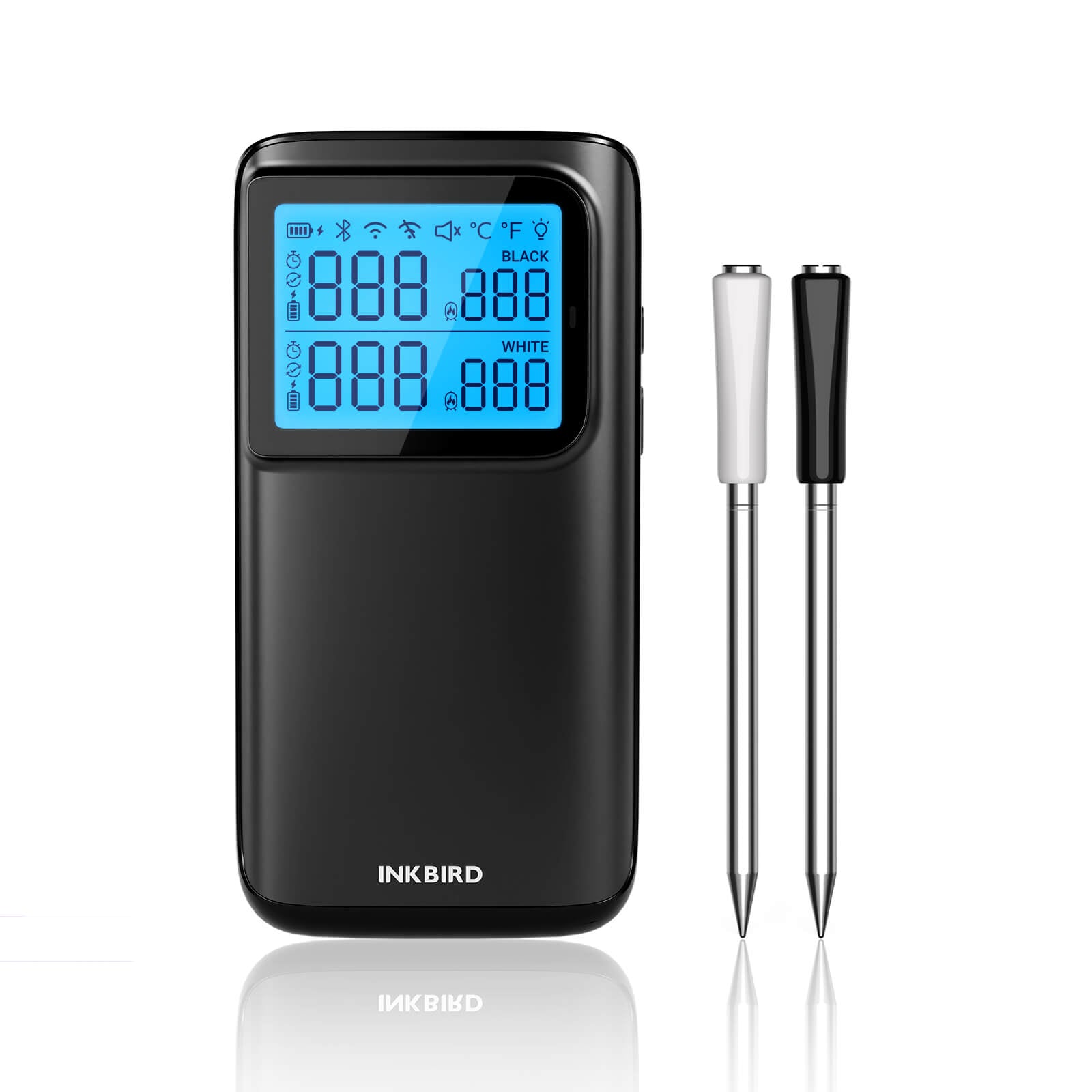
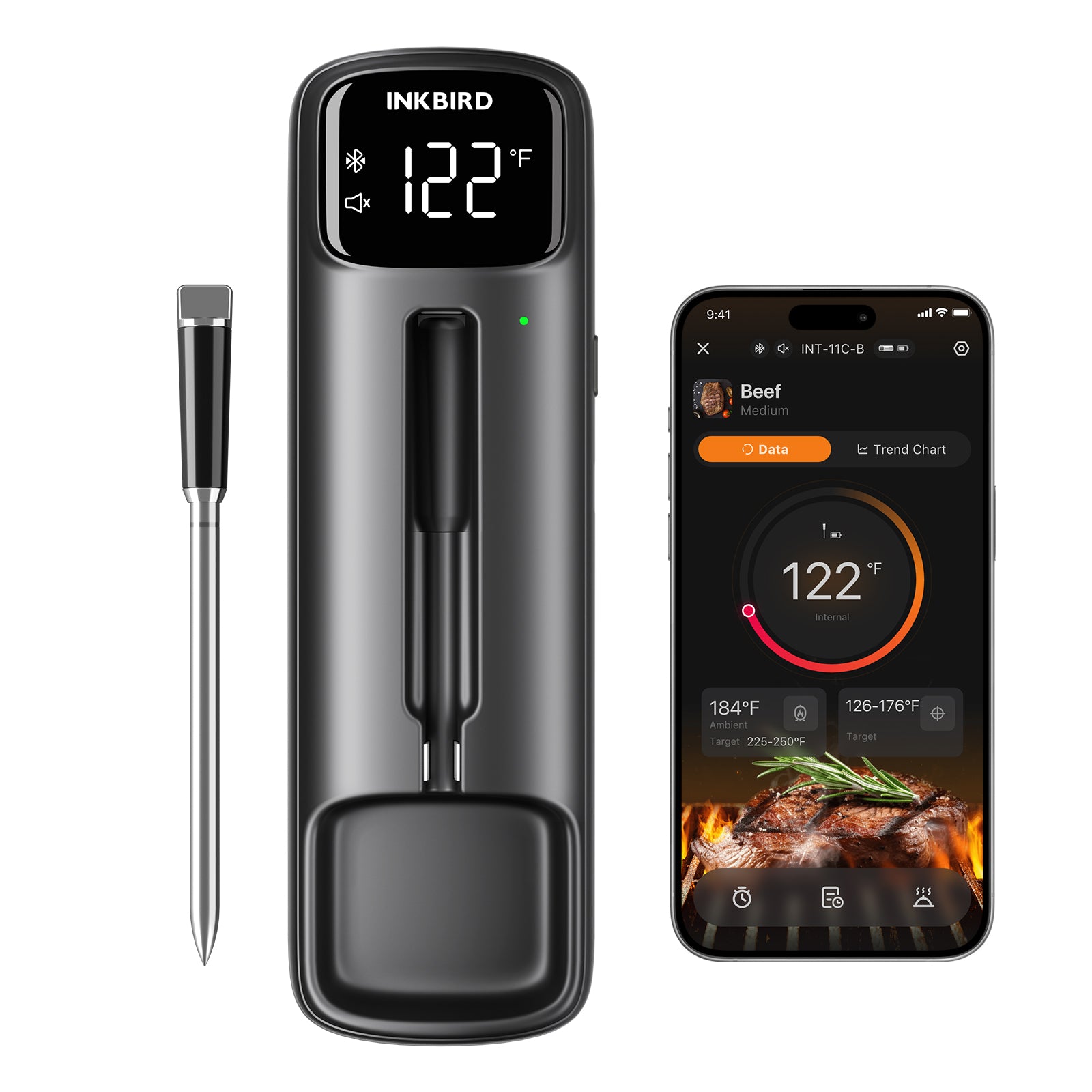
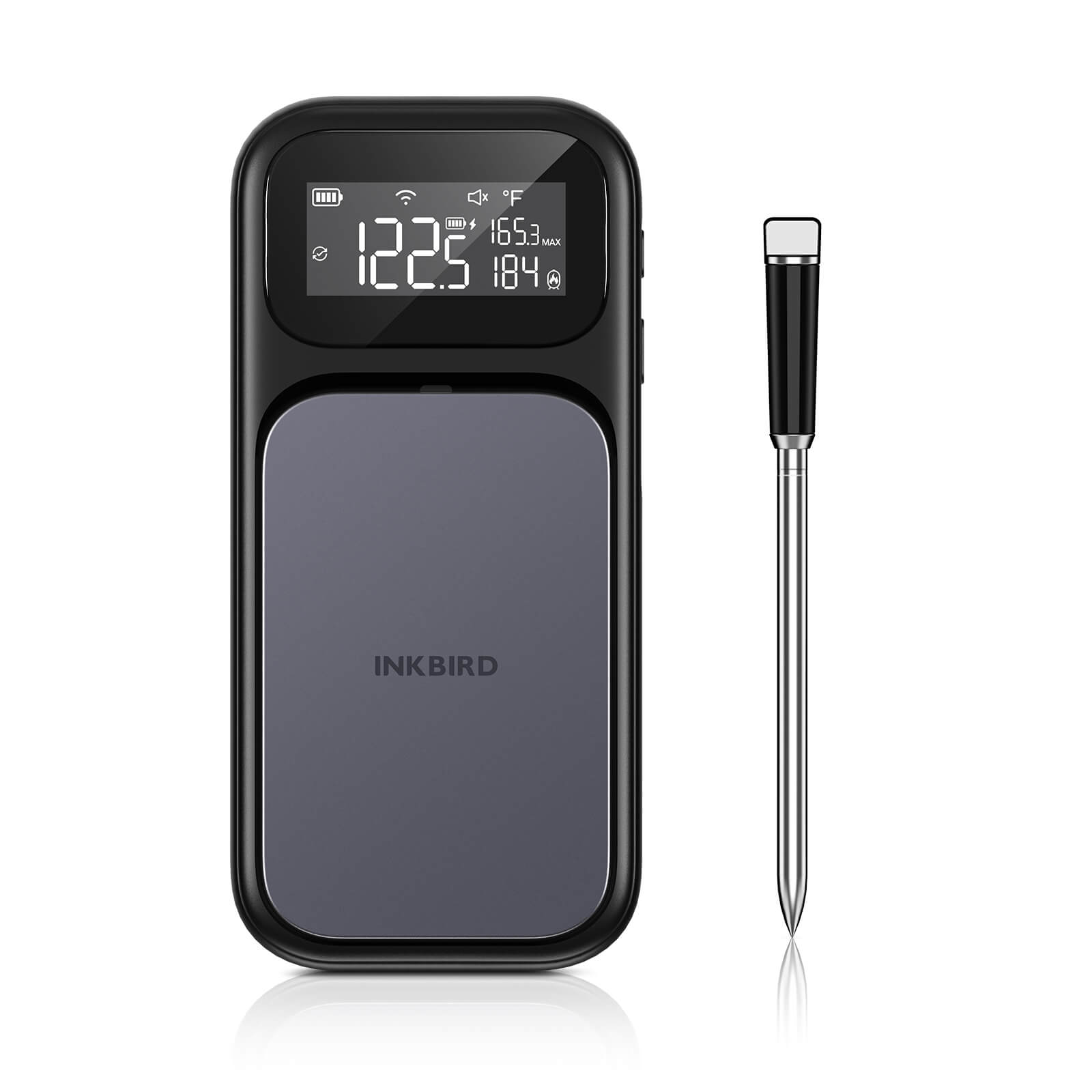
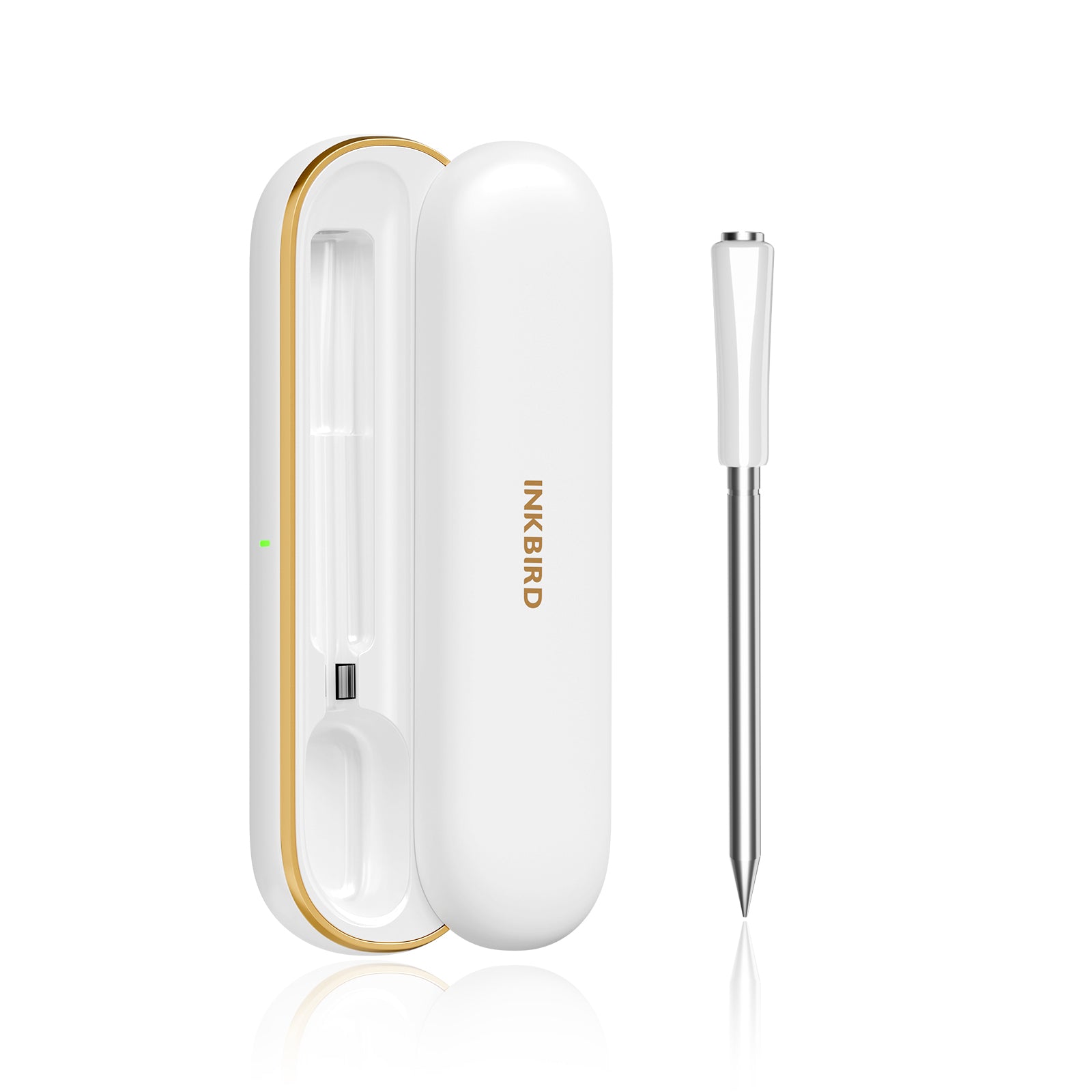
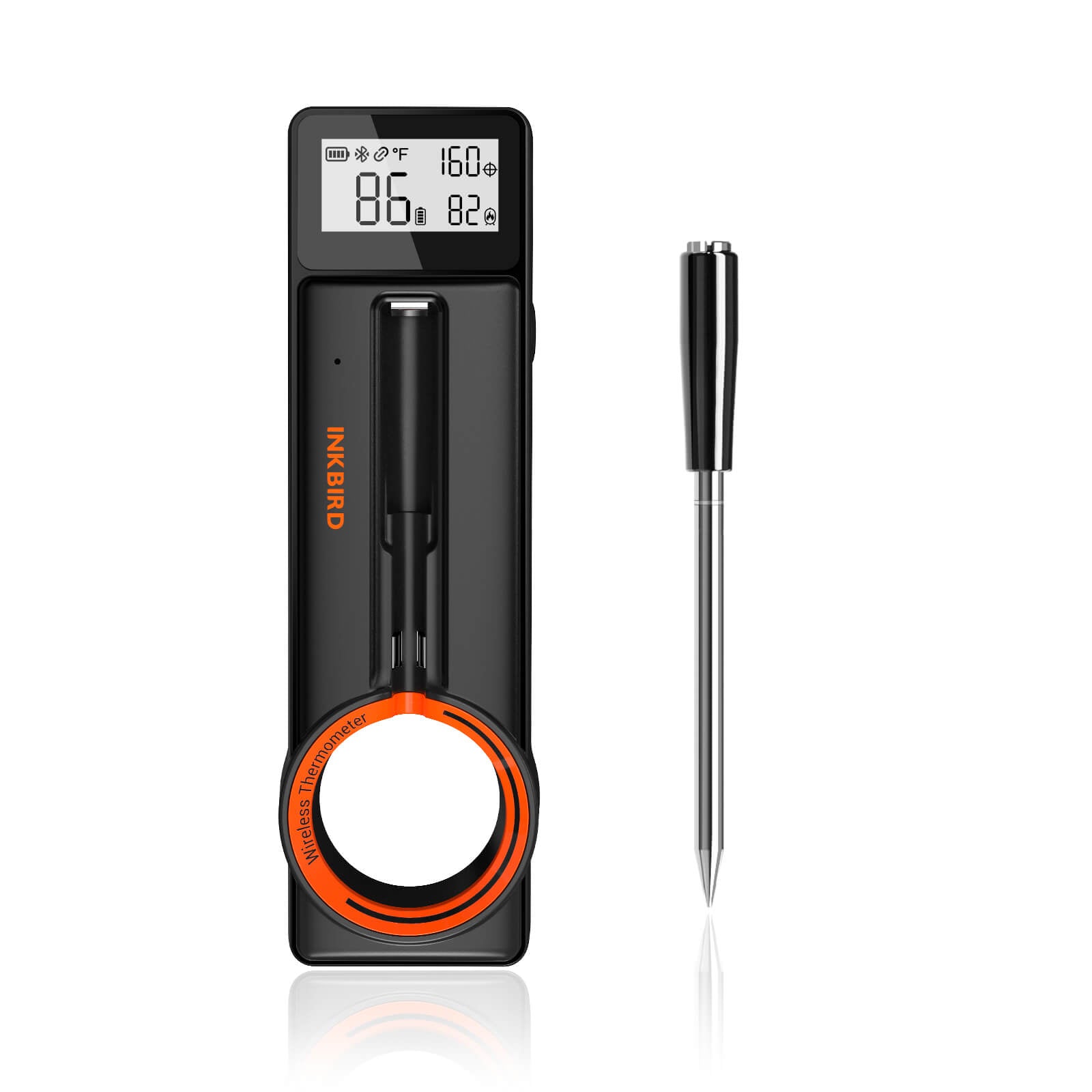
In the past, checking the turkey internal temperature meant constantly opening the oven, which often led to overcooking if the timing was off. That's why I always suggest using a wireless probe thermometer. Just insert probes into the turkey before putting it in your oven, and you can remotely monitor the temperature via the app. Furthermore, it will send you alerts when it hits your desired temperature, so you don’t have to hover around the kitchen.
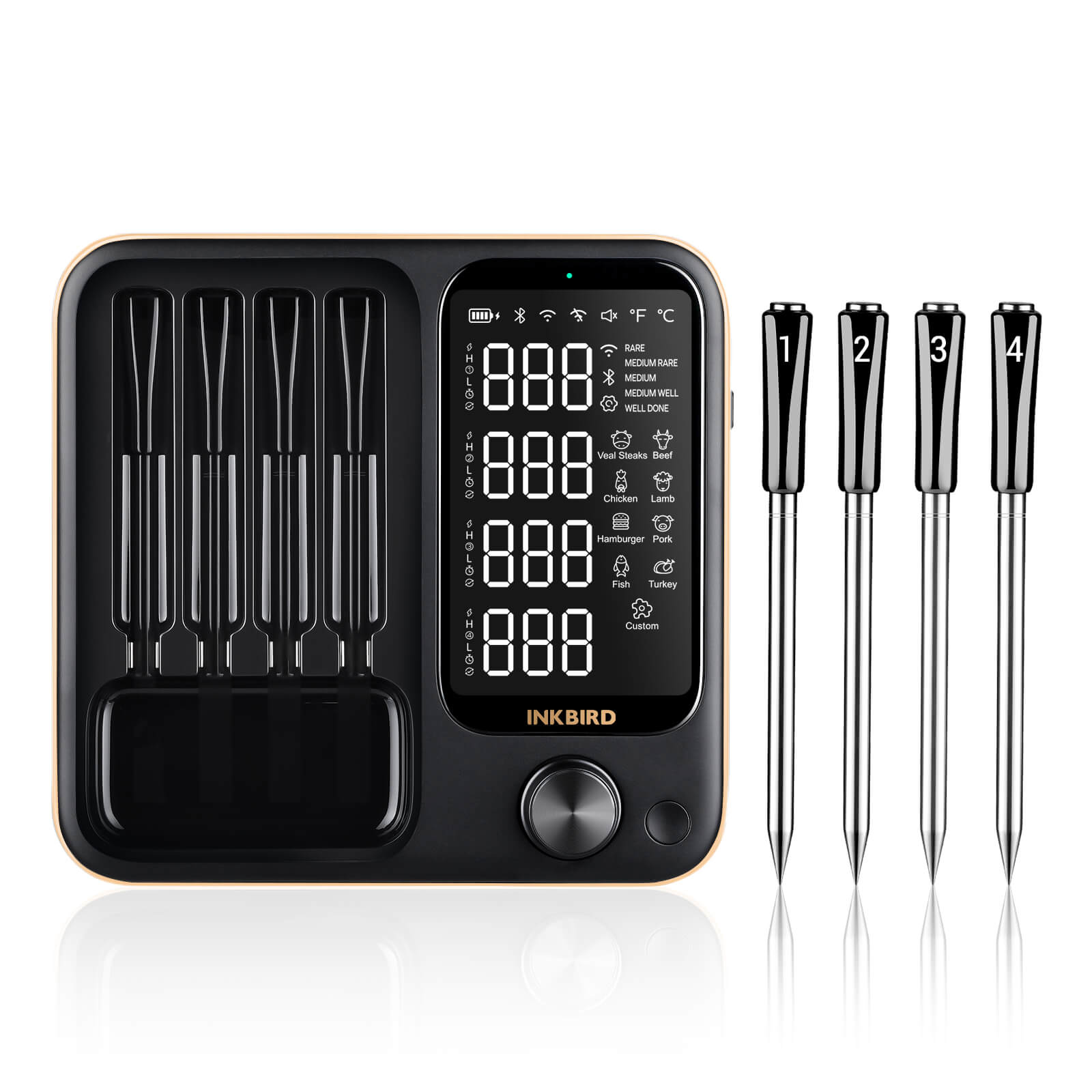
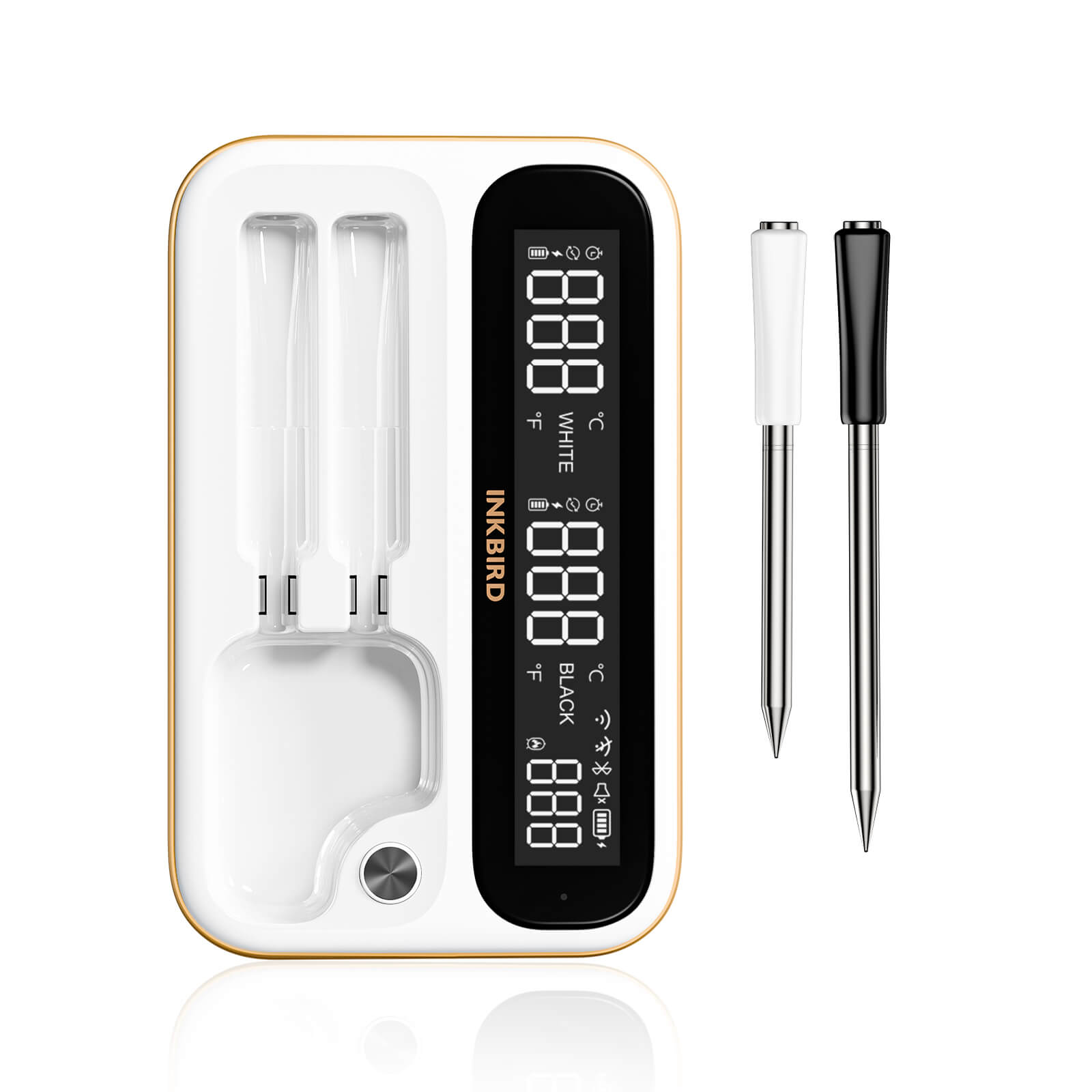
For a perfect roast turkey, a thermometer with multiple probes like the INKBIRD 4-Probe Smart Meat Thermometer is definitely the way to go.

How to Roast a Turkey in the Oven?
Step 1: Brine the turkey. This is an optional step, but soaking the turkey in a water-salt mixture for 12-24 hours is the key to a juicy, flavorful turkey. The ratio of the brine mixture is about 1 cup of kosher salt per gallon of water. Tie the turkey legs together with twine and tuck the wing tips under the body to prevent burning.
Step 2: Remove unwanted stuff. Take out turkey’s neck and giblets, tossing them away or saving them for the gravy. Then, pat the turkey dry with paper towels.
Step 3: Season the turkey. Rub the turkey all over with melted butter, then season it generously with salt, pepper, and herbs. Stuff the cavity with onions, celery, carrots, and garlic. You can also add some apple, lemon or orange zest for a kick of freshness.

Step 4: Insert wireless meat thermometers. Insert a thermometer into the thickest part of the turkey leg and one into the breast. If possible, use multiple thermometers in different spots to monitor the temperature.

Step 5: Preheat the oven. Preheat your oven to 325°F (163°C). In the meantime, pour 2 cups of gravy into the roasting pan to keep turkey juicy.
Step 6: Roast the turkey. Once the oven reaches temperature, place the turkey breast-side up on a rack in a baking sheet and put it in the oven. Every 45 minutes, brush the turkey all over with the remaining butter and scoop up any gravy from the bottom over the turkey.

Step 7: Cover with foil and continue cooking. About an hour before it’s done, loosely cover the turkey with foil to prevent it from drying out, and continue roasting until the internal temperature reaches 165°F (74°C).

Step 8: Rest the turkey. Take the turkey out of the oven, keeping it covered with foil, and let it rest for at least 20 minutes. If there is any remaining gravy, gather it up to serve alongside the turkey.
How to Crave a Turkey?
Place the turkey on a large cutting board. Start by slicing the skin between the body and the legs, then bend the legs back until the joint pops out. Cut through the joint to remove the legs, and do the same on the other side. Next, make a vertical cut down the center of the breast into slices against the grain.
Note that any leftover meat should be refrigerated within two hours of cooking to prevent bacterial, or you can use a vacuum sealer to save food longer.






Share: