


As you watch your homemade bread gradually rise and spread with a beautiful golden hue in the oven, do you wonder if it’s almost done? However, the key factor to consider is the internal temperature of the bread. Even if you meticulously follow the recipe and time it correctly, the bread might still come out sticky, dense, and disappointing if the temperature isn’t spot on. So, what should the internal temperature of bread be when perfectly baked? And how to tell if bread is done if you don’t have a thermometer? This guide offers an easy start.
What Temperature to Bake Bread?
Here’s the thing: baking bread isn’t a simple one-temperature-fits-all situation. The temperature during dough preparation and proofing is equally important. Otherwise, your dough might not rise as well as you’d like.
Dough Preparation Temperature
The temperature at which you prepare your dough plays a crucial role in yeast fermentation and the final texture of the bread, as yeast is highly sensitive to temperature changes.
Using warm water, around 105°F-115°F, will wake the yeast quickly, leading to a faster, more vigorous rise. Conversely, using cooler water slows everything down, which is why people at high altitudes should use less yeast. However, if the temperature exceeds 150°F, the yeast will be killed prematurely.
To measure the flour temperature accurately, an INKBIRD Instant-Read Thermometer is a handy tool.
After kneading, transfer the dough to a greased bowl, cover it with a damp towel or plastic wrap, and let it ferment. The best fermentation temperature is between 75°F and 85°F. Going too low will extend the fermentation time, while too high can produce off-flavors. If you have time, you can also refrigerate the dough overnight, a practice many bakers prefer.

Bread Baking Temperature
Even at this stage, the ideal baking temperature can differ depending on the type of bread you’re making. Following your recipe is usually safe.
Generally, crusty loaves like sourdough or baguettes need a blast of high heat - somewhere between 425°F and 475°F - to properly activate the yeast. On the other hand, softer breads like sandwich loaf or buttery brioche prefer a more moderate home, about 350-375°F.
If you want the balance of a crispy yet tender crust, turn off the oven after baking and let the bread rest for 5-10 minutes without opening the oven door.

How Long Does It Take to Bake Bread?
Just like oven temperature, baking time for bread cannot be generalized. Factors such as the size and type of bread significantly affect how long it takes to bake. For example, a small dinner roll may only take 15-20 minutes, while a hefty round rye loaf could take anywhere from 45 minutes to over an hour.
No matter what kind of bread you’re making, it is essential to stick to the instructions and use your kitchen thermometer to check the internal temperature of the bread.

What Internal Temperature Is Bread Done?
Oven temperatures and baking times can differ quite a bit, but the internal temperature of bread when done is fairly consistent. Most breads are typically done around 190°F to 200°F, though this can still vary based on the type of bread.
Insert your thermometer an inch or two into the center of the bread to check its internal temperature. It is advisable to do this a few minutes before the recipe suggests to ensure it is baked to your desired doneness and ready to be complemented by some delicious pulled pork.

Bread Baking Time & Temperature Chart
The table below is for reference only, and the exact temperature and time should align with your specific recipe.
|
Bread Type |
Loaf Size |
Oven Temp |
Baking Time |
Internal Temp |
|
Dinner Rolls |
Small, individual |
375°F (190°C) |
15-25 minutes |
190°F (88°C) |
|
Baguettes |
Long, thin loaves |
450°F (230°C) |
20-30 minutes |
200°F (93°C) |
|
Sandwich Loaf |
9x5-inch loaf pan |
350°F (175°C) |
30-45 minutes |
190°F (88°C) |
|
Sourdough |
Round boule or oval |
450°F (230°C) |
30-45 minutes |
205°F (96°C) |
|
Brioche, Challah |
Loaf pan or braid |
350°F (175°C) |
25-35 minutes |
200°F (93°C) |
|
Whole Wheat Bread |
Loaf pan |
375°F (190°C) |
35-45 minutes |
200°F (93°C) |
|
Banana, Zucchini |
9x5-inch loaf pan |
350°F (175°C) |
55-75 minutes |
200°F (93°C) |

How to Check If Bread Is Done Without Thermometer?
Bakers from centuries past didn’t have the luxury of thermometers, yet they still managed to know when their bread was done. Fortunately, there are several reliable methods to help you determine this, and with a bit of practice, you can use them skillfully.
Check the Color
Generally, a well-baked bread crust should have a deep golden-brown color, often with some darker spots. It should also feel dry and firm when you touch it. However, color isn’t everything. Some breads are meant to have a lighter crust.

Tap the Bottom
Take the bread out of the oven and turn it upside down. Gently tap the bottom with your knuckles. If it sounds hollow and crisp like a drum, it’s fully baked. A dull sound means it might need to be baked longer. If this is your first time using this method, you can repeat it every five minutes towards the end of baking and listen for the sound changes.

Skewer Test
If you’ve ever baked a cake, you might be familiar with this method. Insert a toothpick into the center of the bread, and if it comes out clean without any dough, your bread is done. But if you see wet dough or crumbs on the toothpick, it needs a bit more time in the oven. It’s best to do this towards the end of baking.

Can You Re-Bake Undercooked Bread?
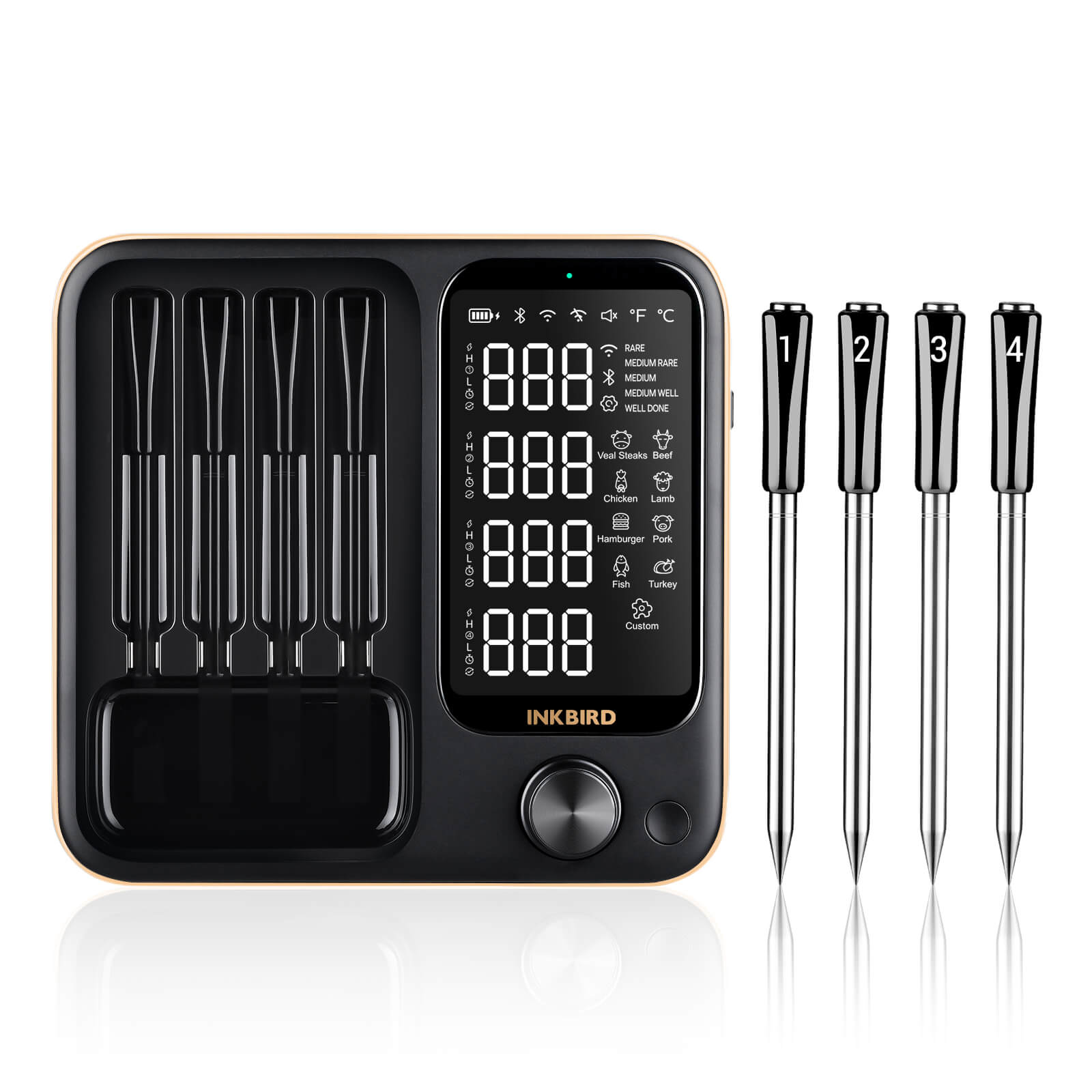
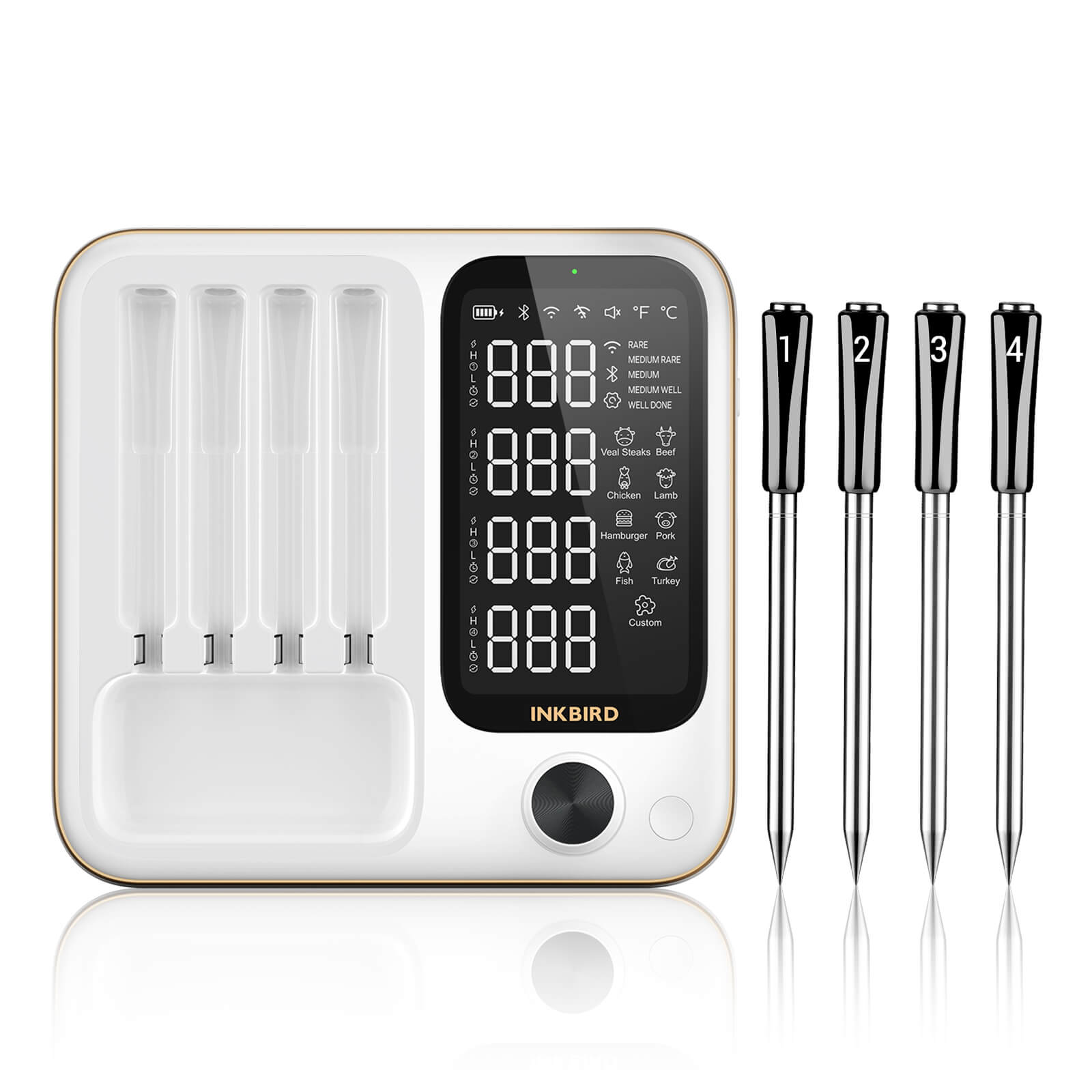
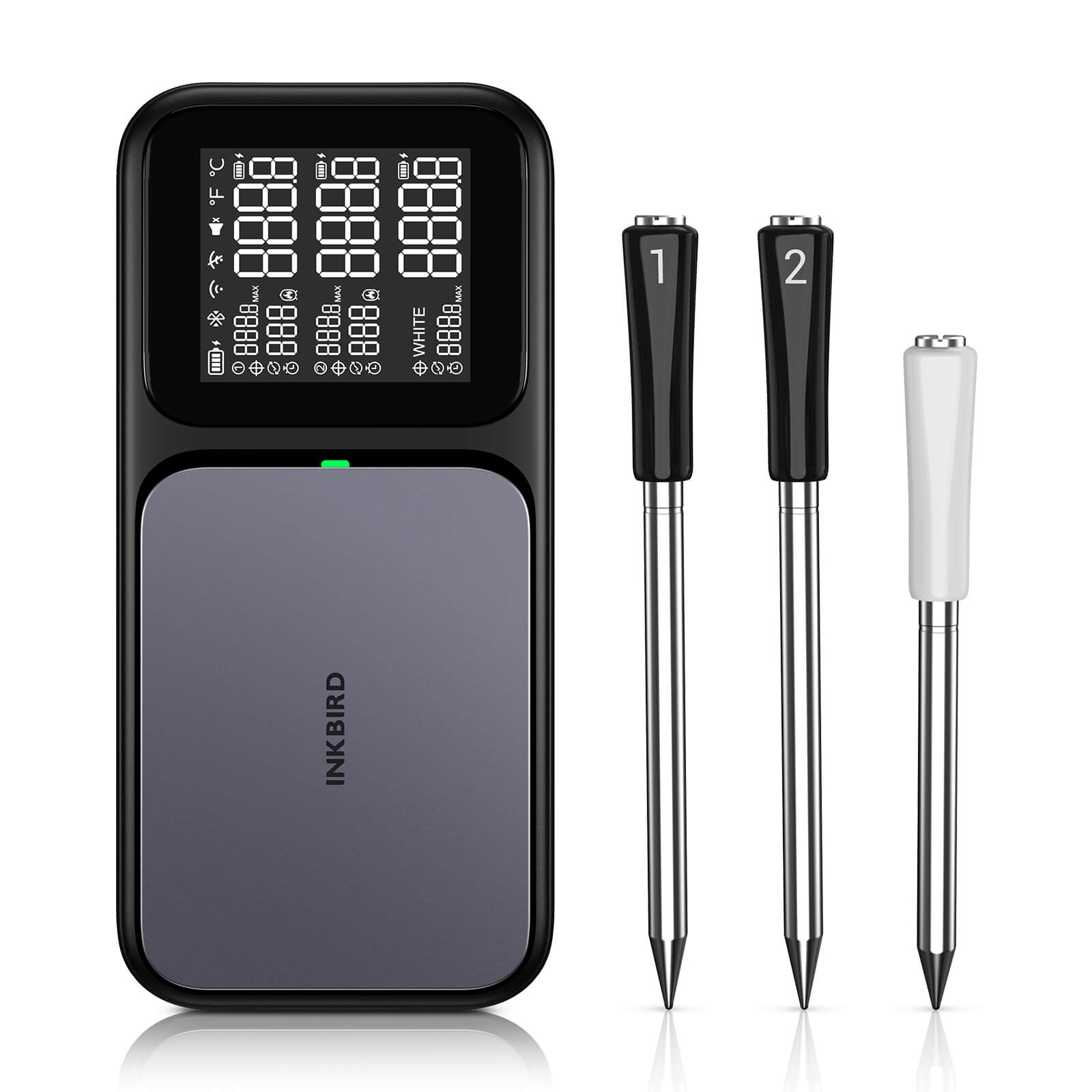
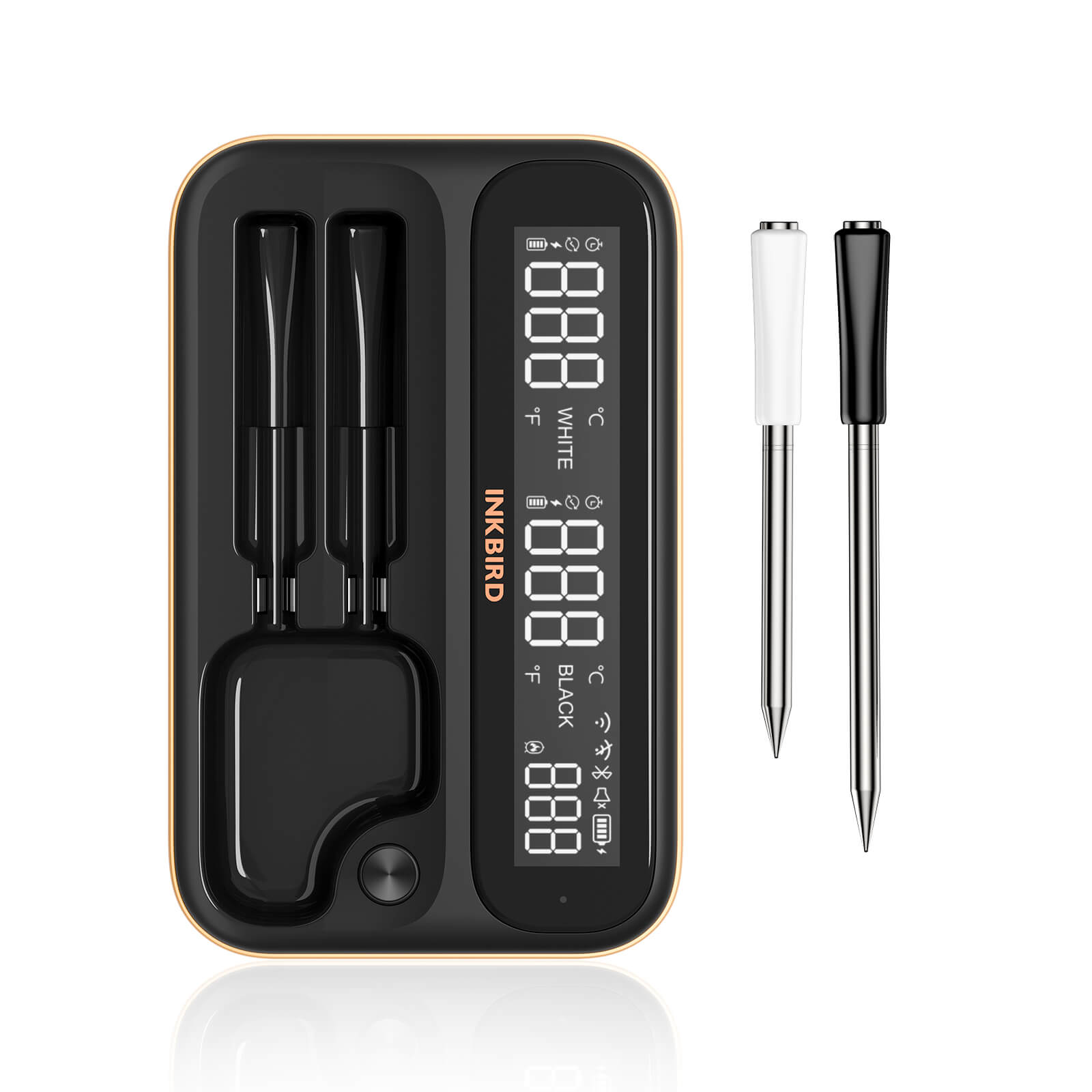
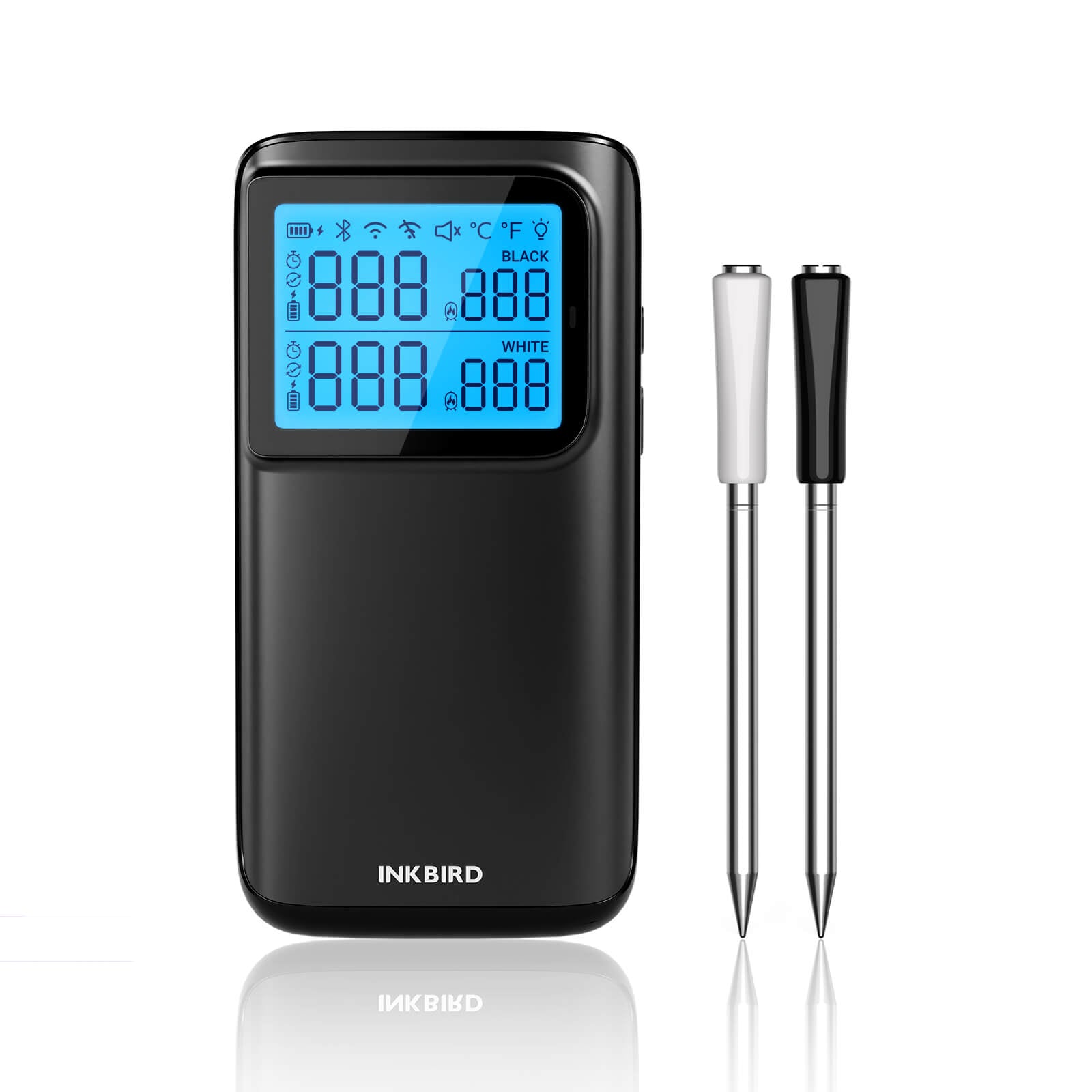
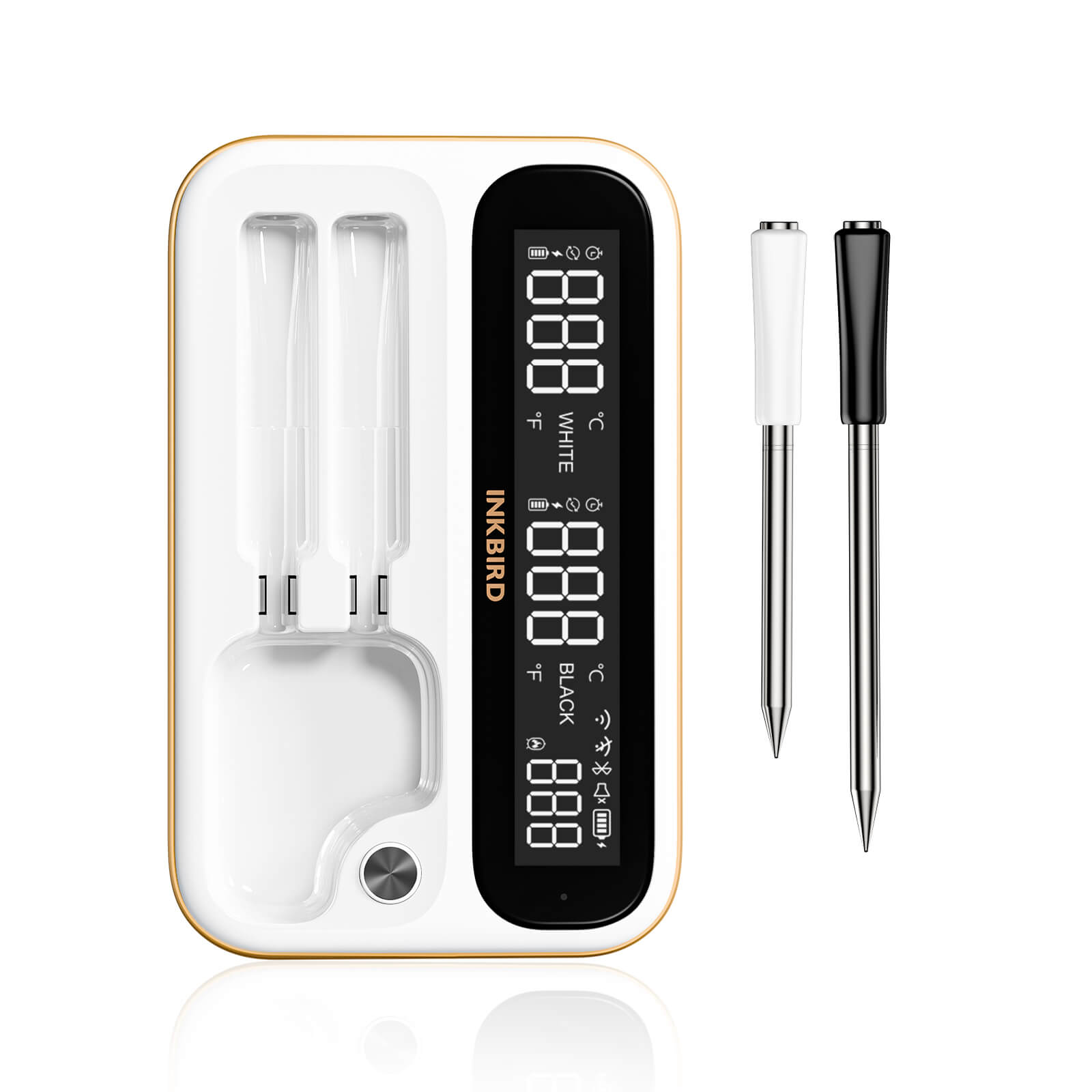
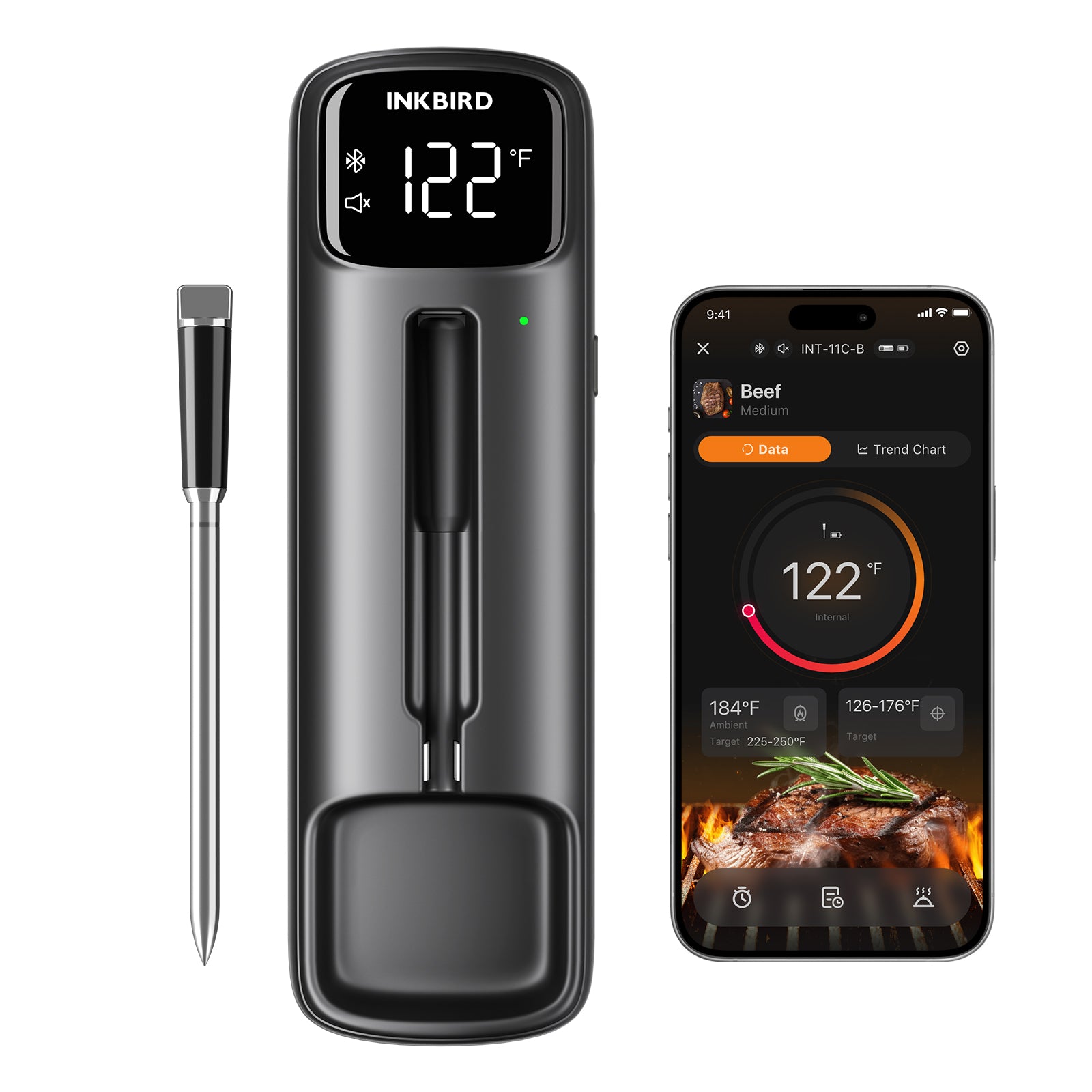
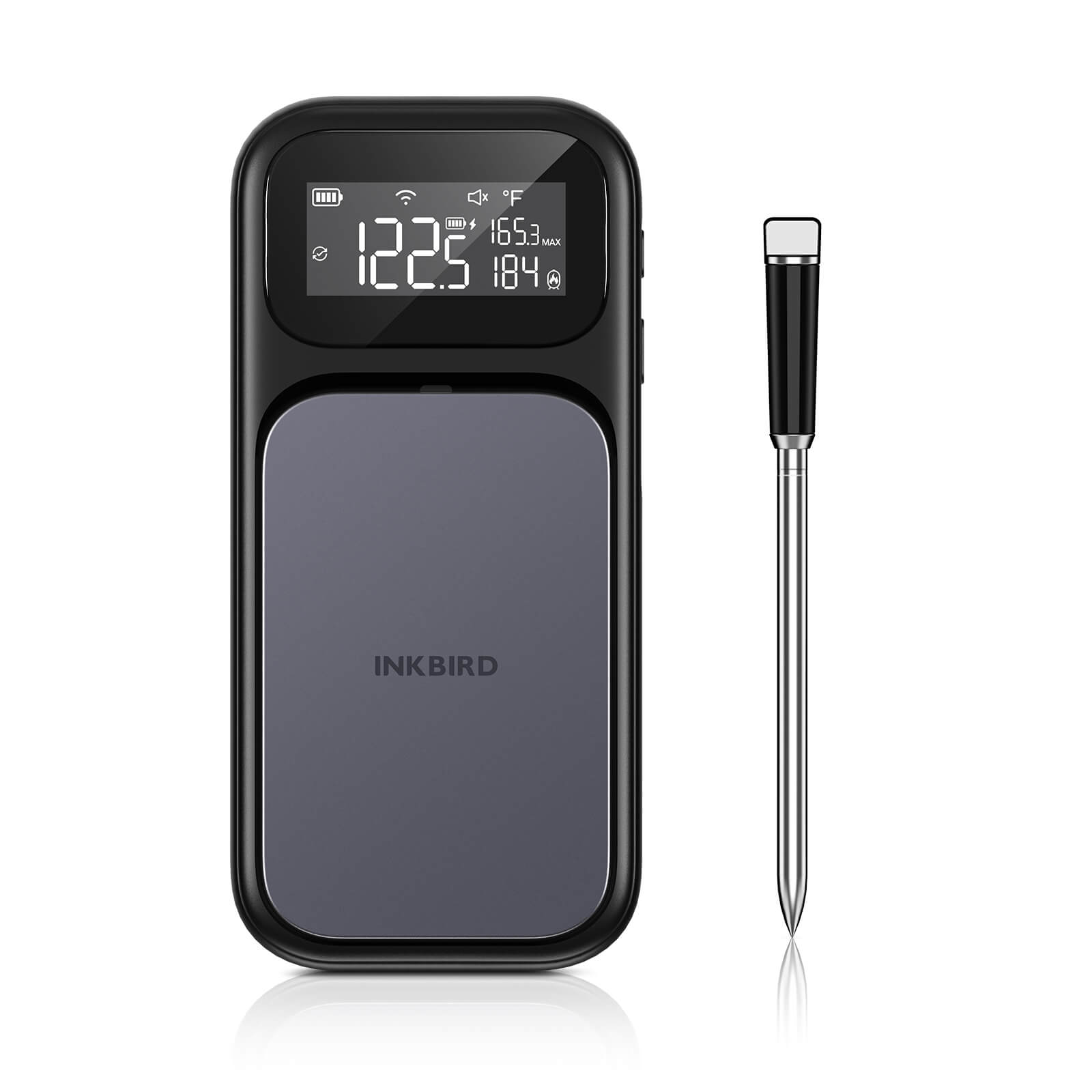
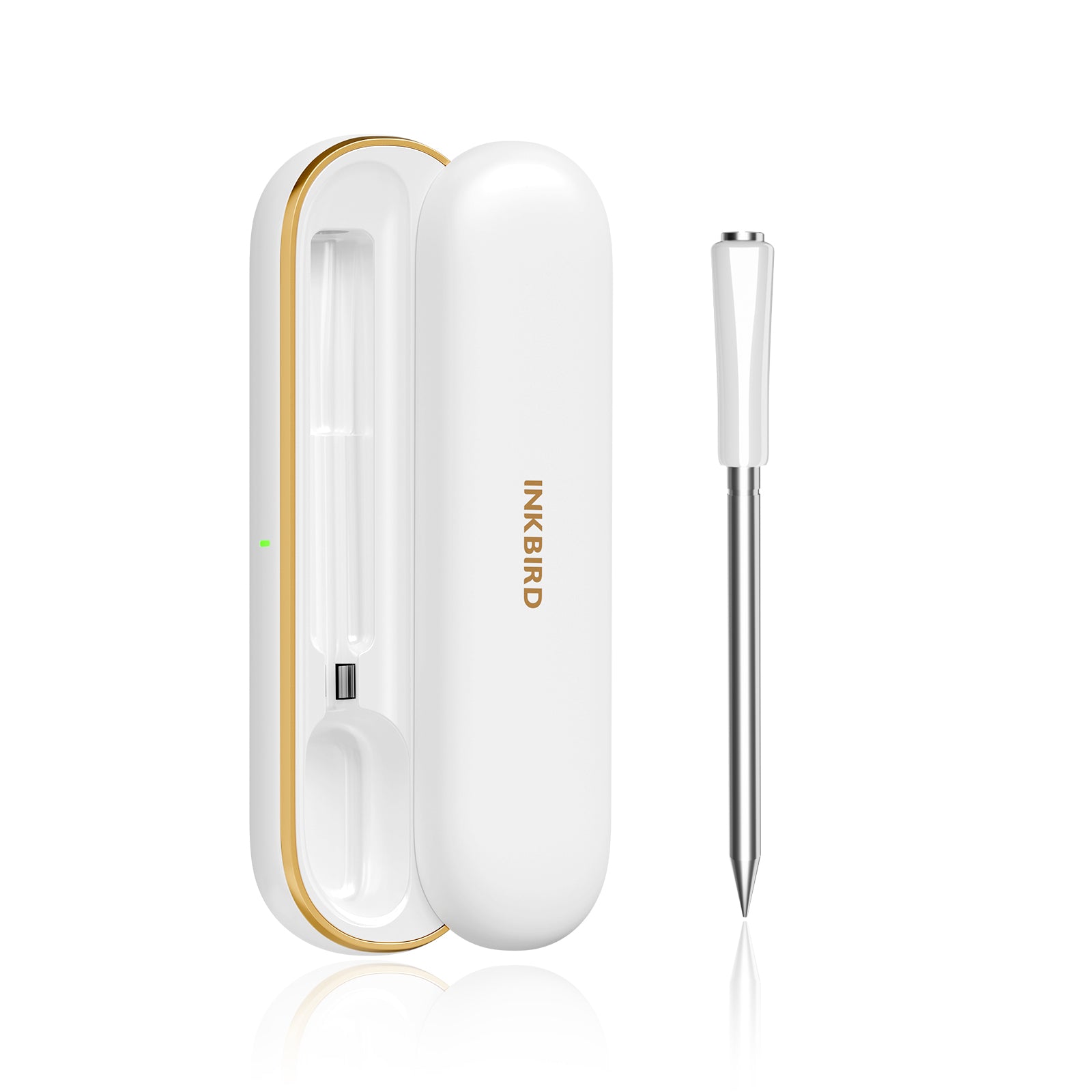
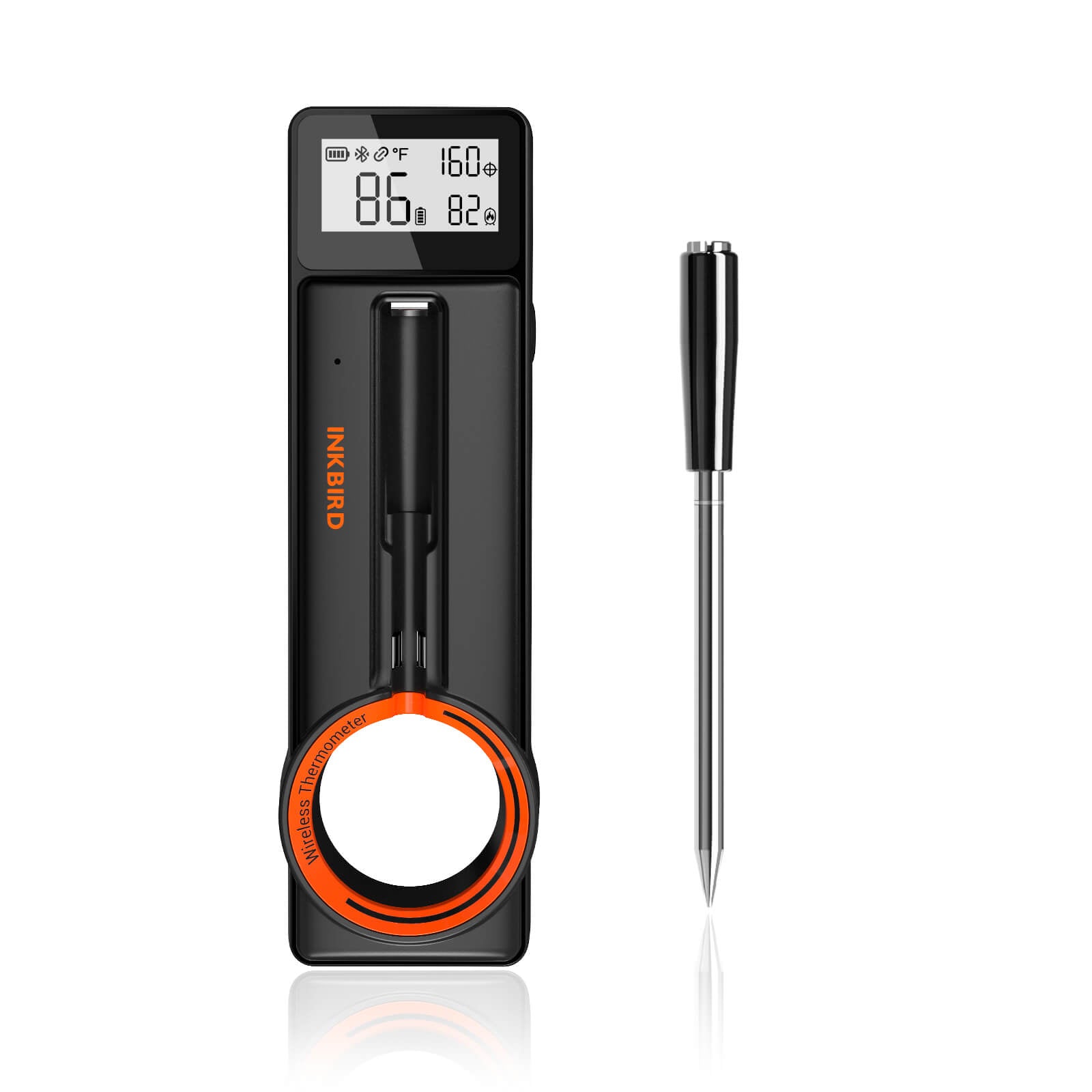
Of course you can. If you’ve pulled your bread out and found it’s a bit underbaked, simply return it back to the oven at a slightly lower temperature and bake for another 10-20 minutes. If you’re worried about burning it, you can insert a smart meat thermometer into the bread to remotely, constantly monitor its internal temperature at any time. Then, just refer to your recipe or the temperature chart above to see when it’s done.





Share: