



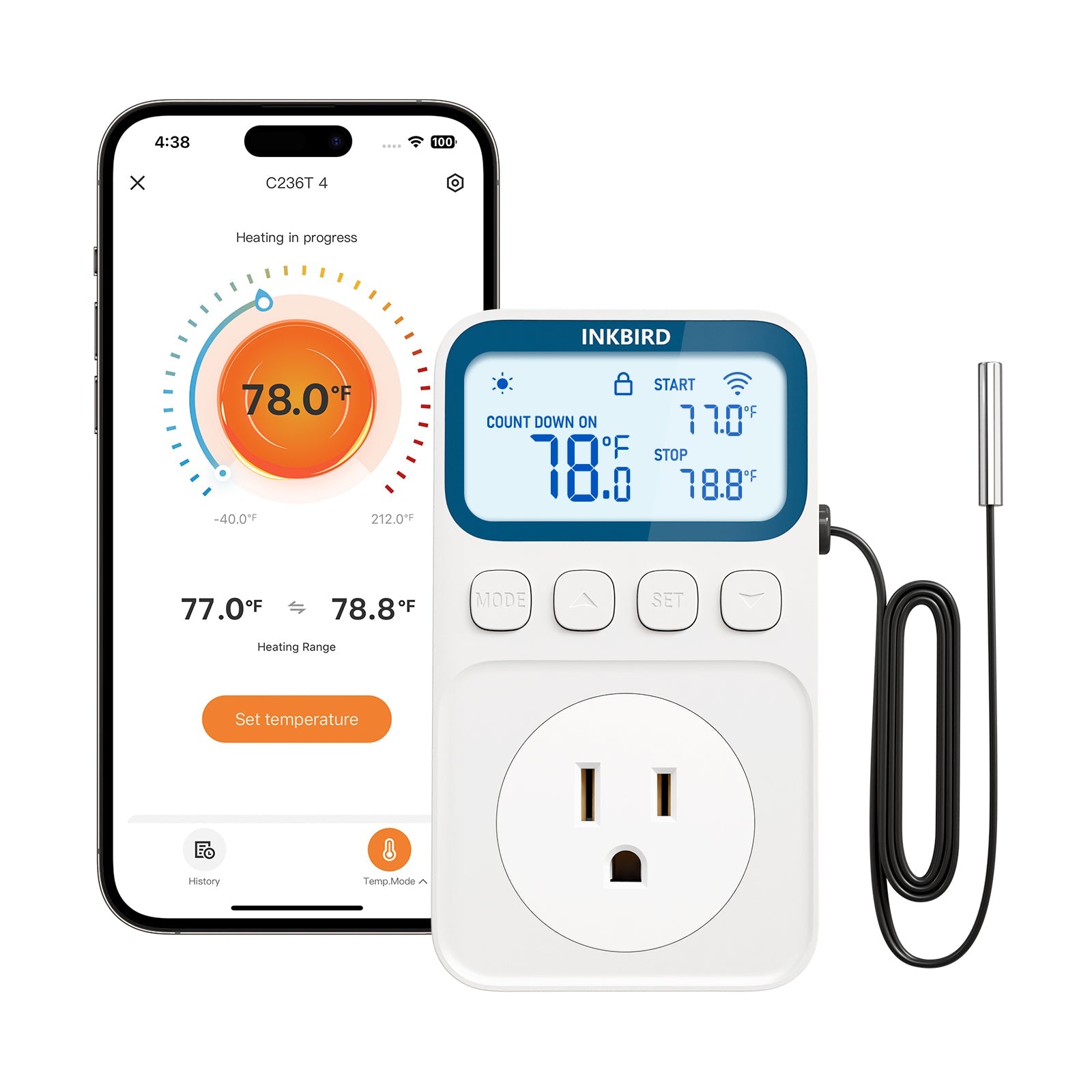
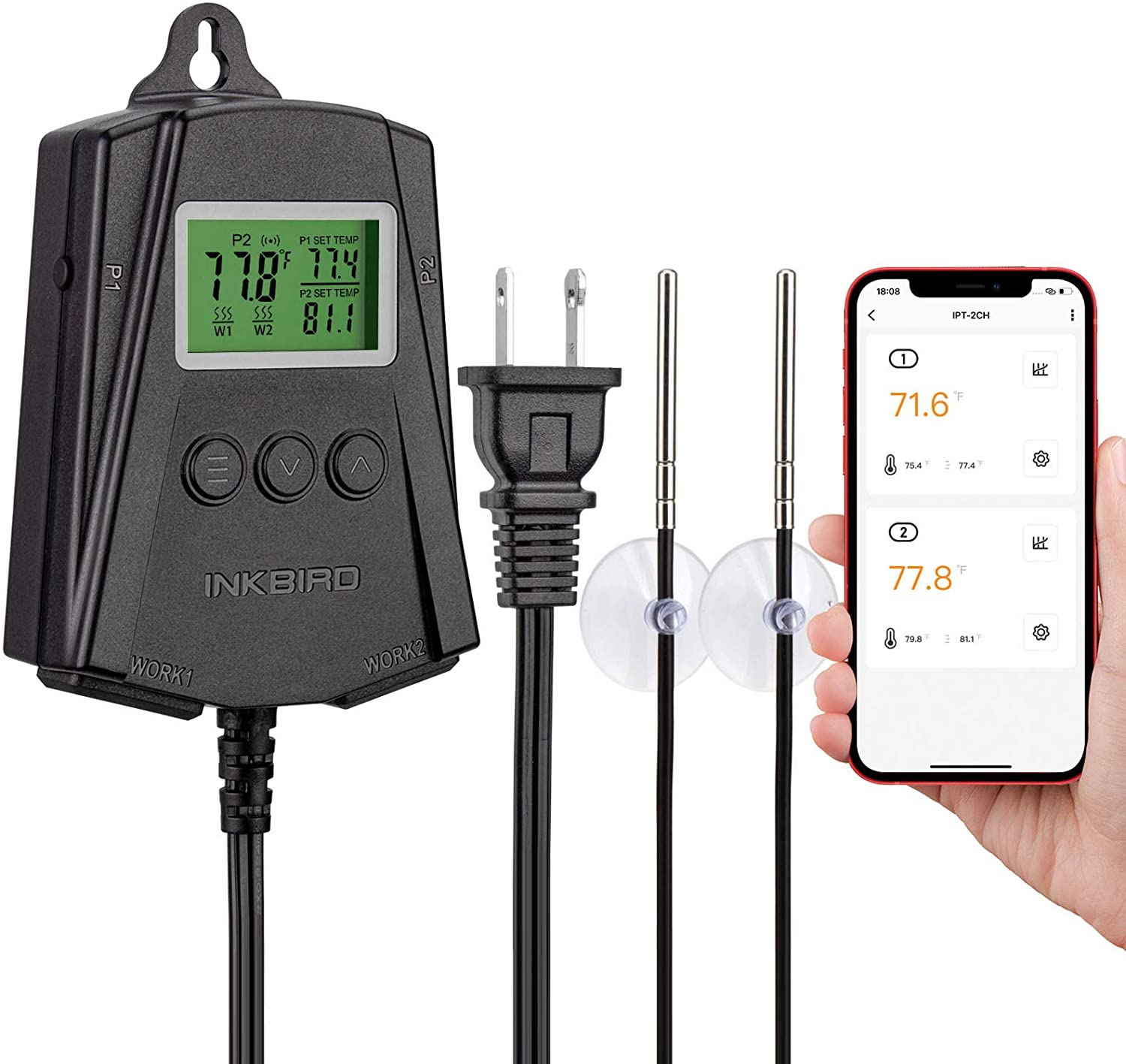
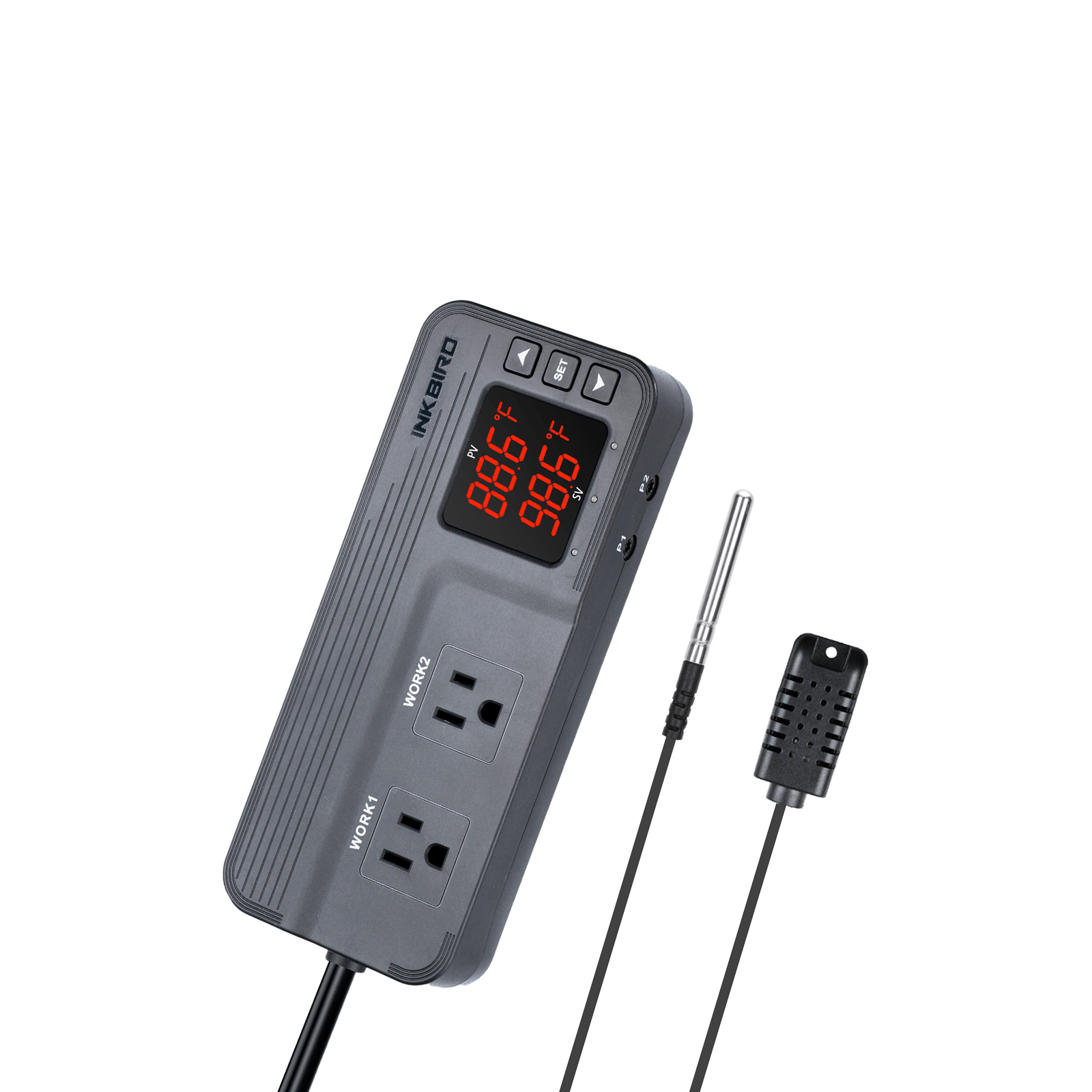
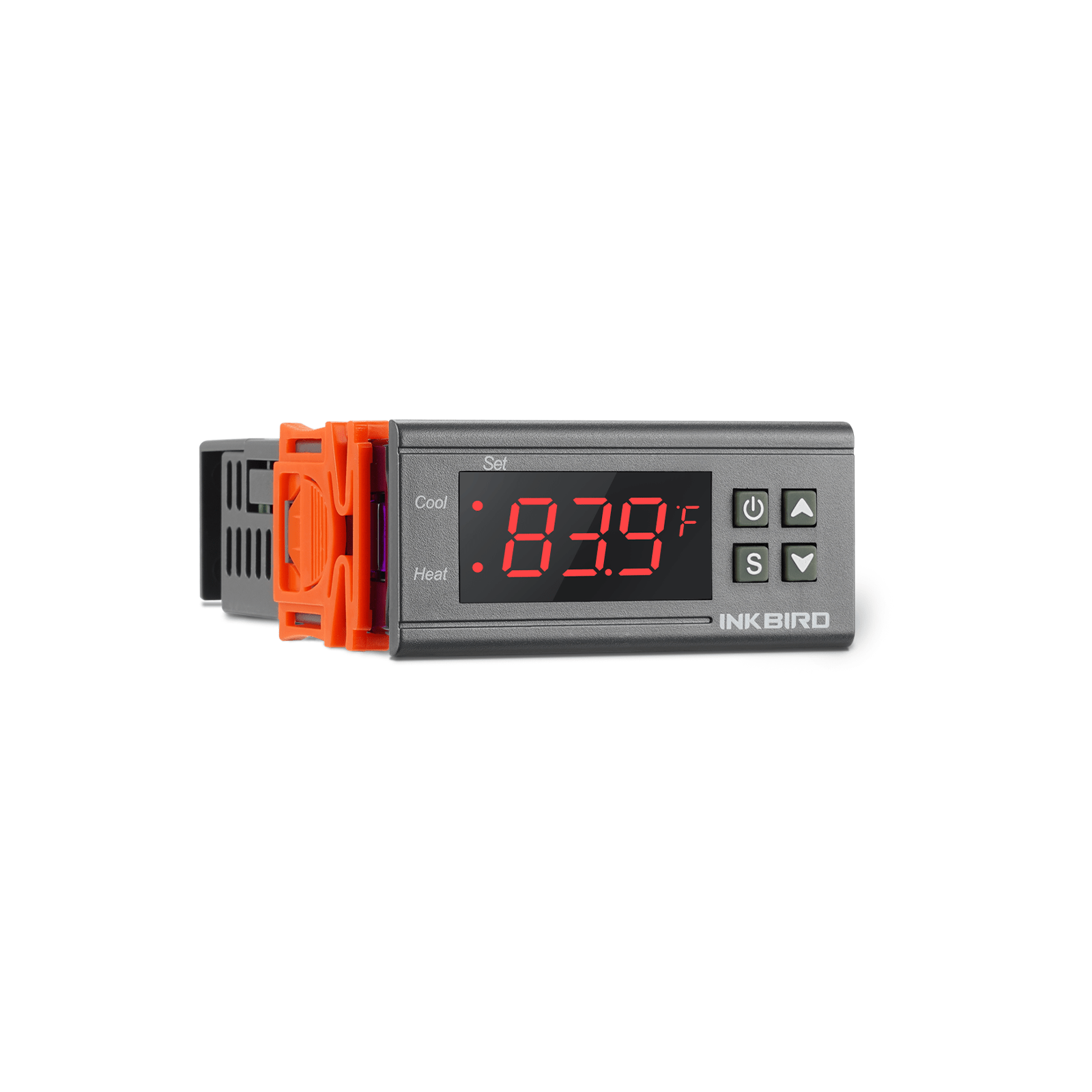
on Select Items
The Voices of Our Users

I have 5 of Inkbird temperature controllers now. I'm just not going to have an aquarium, or culture that uses a heater without a monitor on it. They are so easy to use, just look at my phone and know the temperature, alarms go off faithfully if there is a problem, I have yet to have one fail. I even have one on my saltwater drum so I know if the temperature is good for a water change. I love the Wi-Fi feature, but also the bold red digital readout is easy to read in most any lighting condition.
 Briar Lockwood

I’ve been using this Inkbird temp controller for a bit now and I’m genuinely impressed. Since setting it up with the recommended on/off swing, my temps have stayed rock solid—exactly as expected. I no longer wake up wondering if my heating pad failed or overshot. The peace of mind alone is worth it. Will probably standardize on this controller for all our heating zones. It’s accurate, consistent, and takes the stress out of temperature control. Highly recommend.
 Michael K.

I recommend everyone having this temperature controller on hand regardless of whether you think you need it or not. I originally bought two to build a DIY walk in cooler using a standard room air conditioner. I then bought another because I raise chickens and this with a heat lamp keeps the temperature exactly where I want it. It worked so well that I bought another which I am using for a second-stage brooder. I think I need to buy another just to have on hand.
 Jovian Cross

The temperature logging seemed like a neat feature, however, it was really a big hit with me once I got it. Previously, I had issues with ick, which I traced back to wildly fluctuating FishTank temperatures due to wild fluctuations in room temperature. Now, I am able to set the unit’s high and low triggerpoints very precisely using the log to avoid inefficient heater use. So, the Fish are happy, and I’m obviously using less power needlessly driving the heaters.
 Arden Vale

I had an old 7cubic foot chest freezer. Set this thermostat to turn freezer on at 40F and turn off at 34F. Stuck the probe down into the freezer. Bingo, I have good little refrigerator for the cost of the thermostat. Its been rock solid in performance. Keeps food better than some real refrigerators that I have had. I would definitely buy another. Thinking of getting another to control box fan aimed at my woodstove. Very adaptable little gadget for heating and cooling applications and seem well made.
 Rowan Brooks
FAQ
What is a temperature controller?
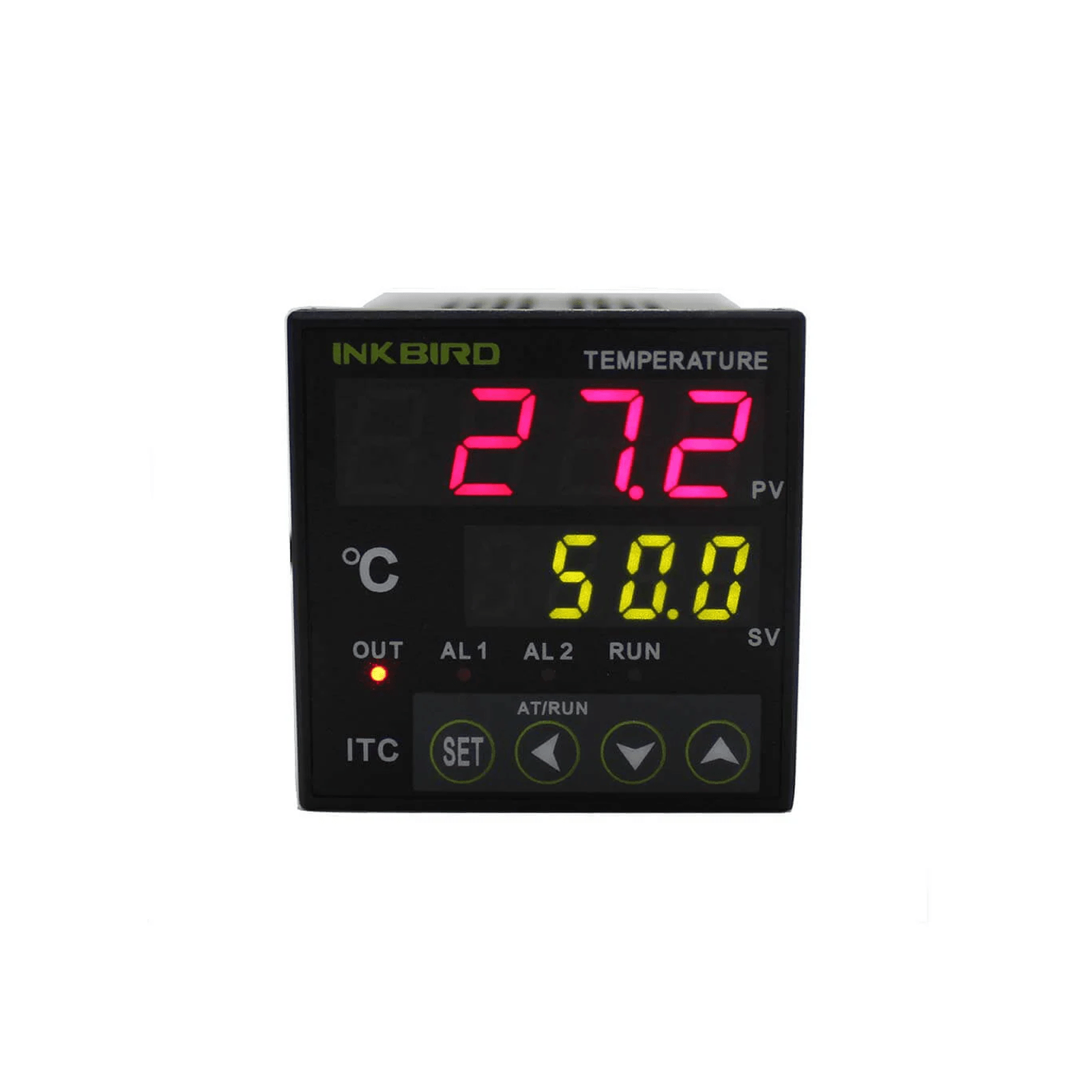
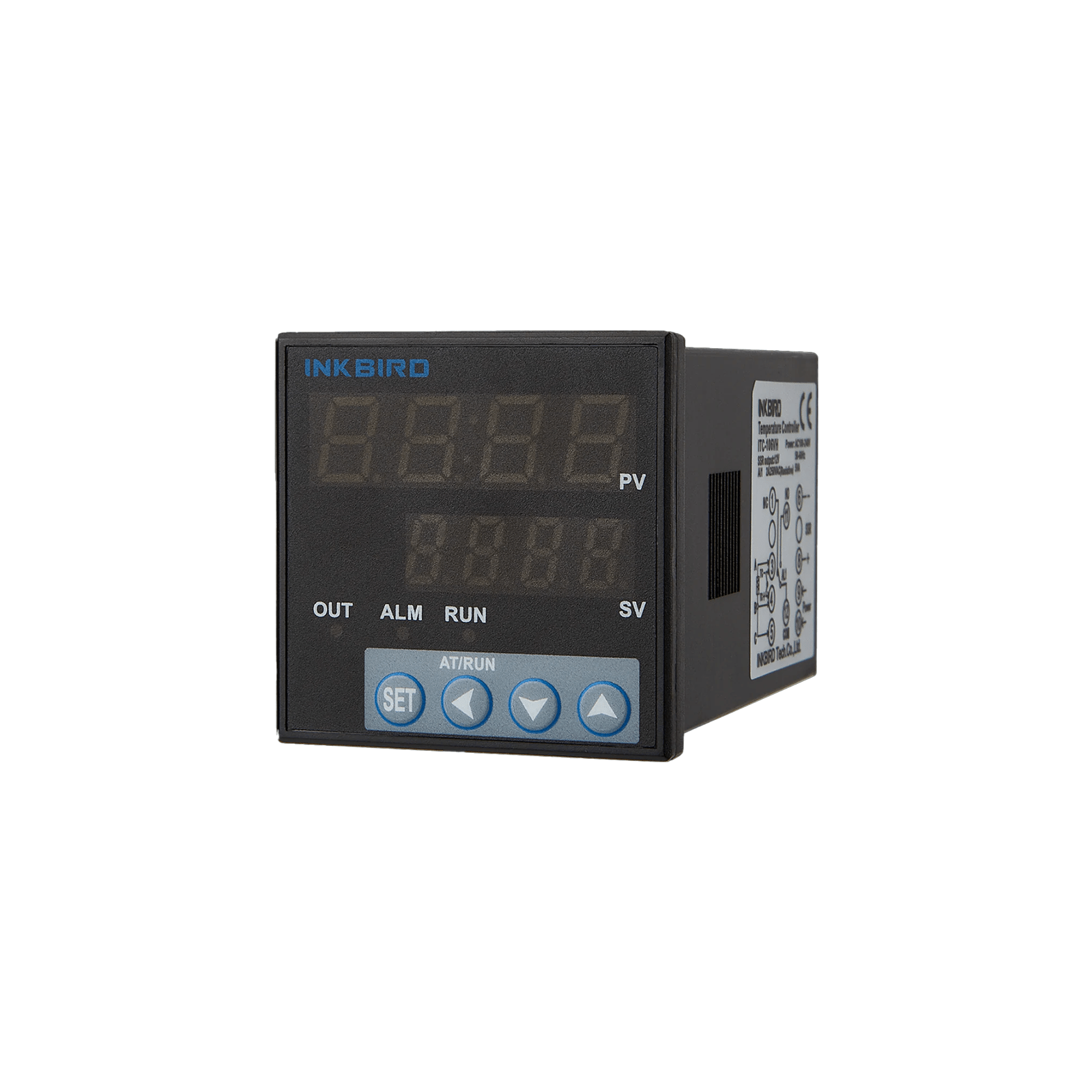
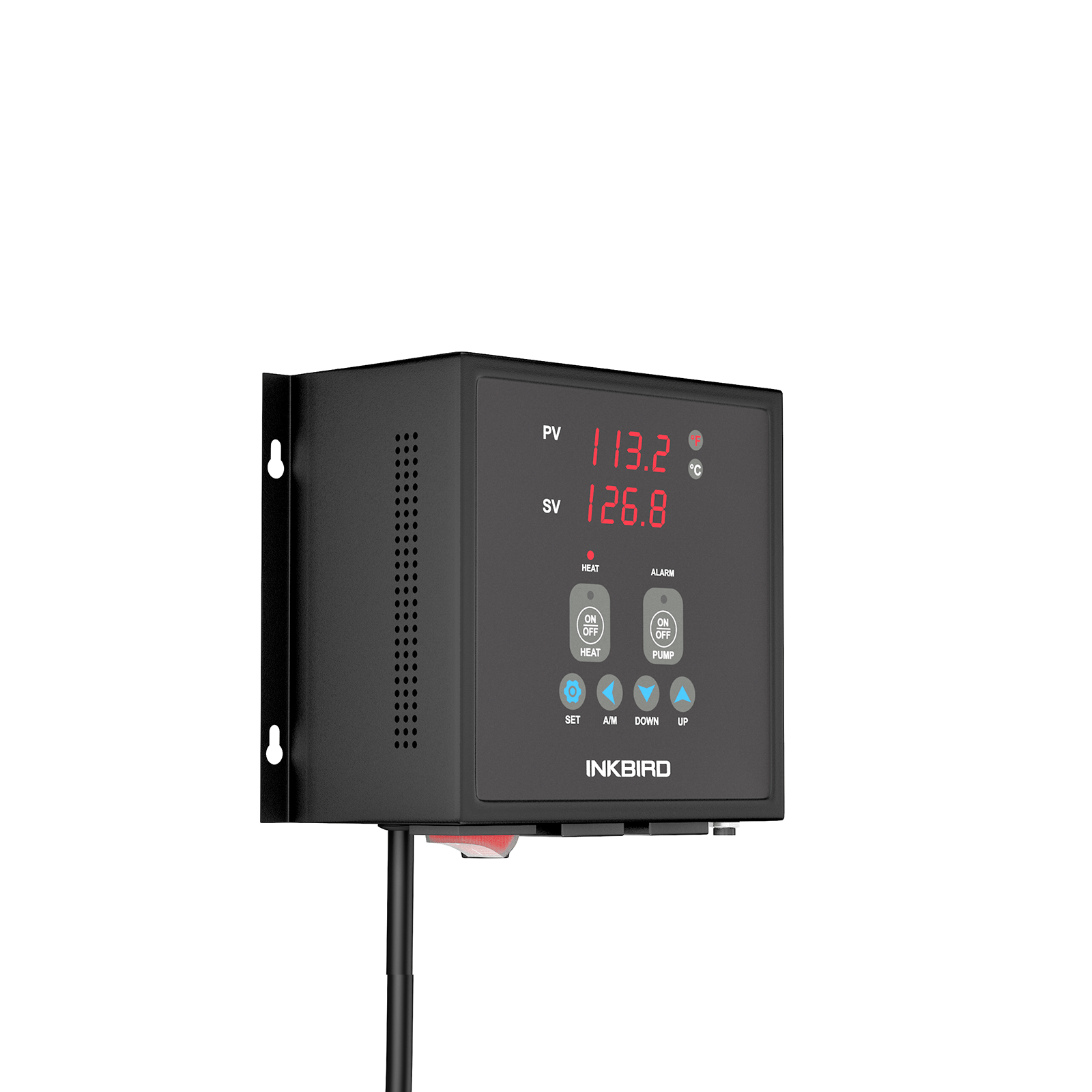
A temperature controller is a device that maintains a specific temperature within a system or process. It works by measuring the actual temperature using a sensor, comparing it to a predetermined setpoint, and then adjusting the heating or cooling output accordingly to maintain that target temperature. You can think of it like a thermostat, but significantly more versatile and far more precise. Electronic versions are specifically called digital controllers.
What types of temperature controllers does INKBIRD have?
On/Off Temperature Controllers: The most basic type. These controllers simply switch the output completely on or off depending on whether the temperature is above or below the setpoint. They are best suited for applications that don’t require precise temperature control.
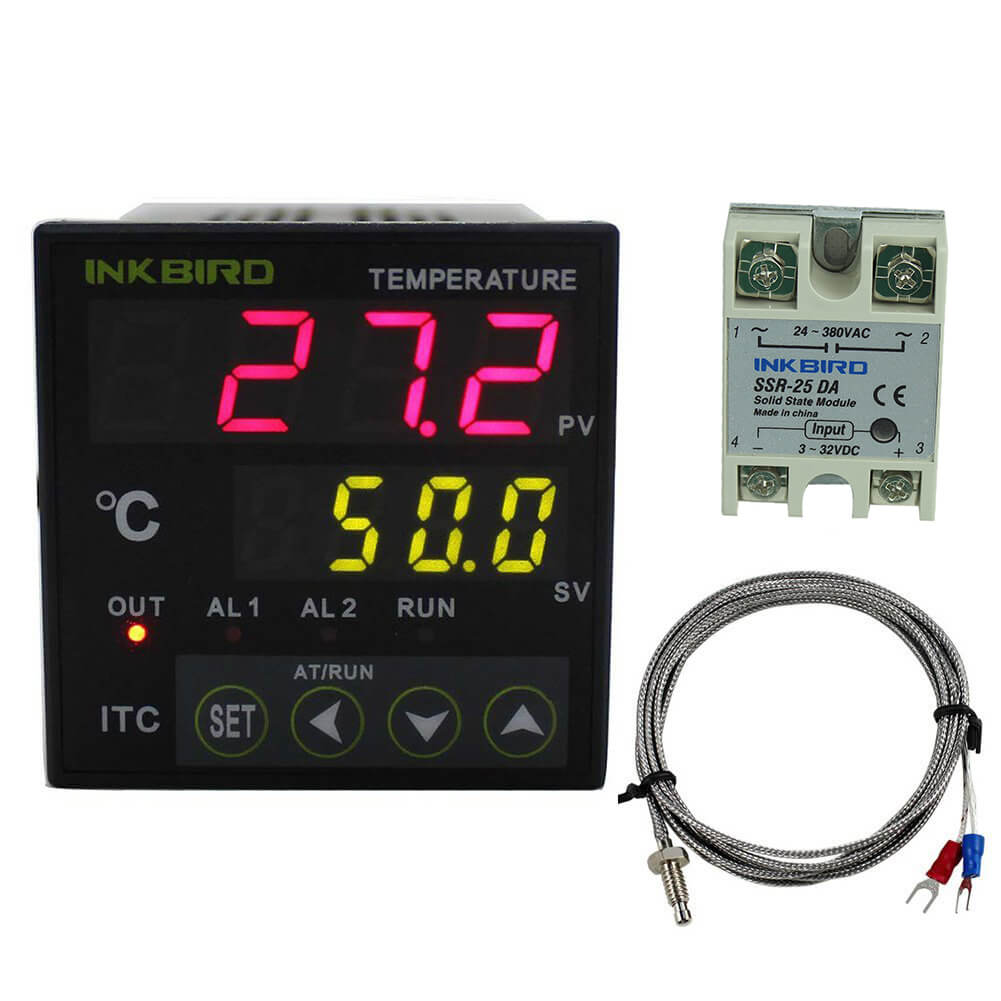
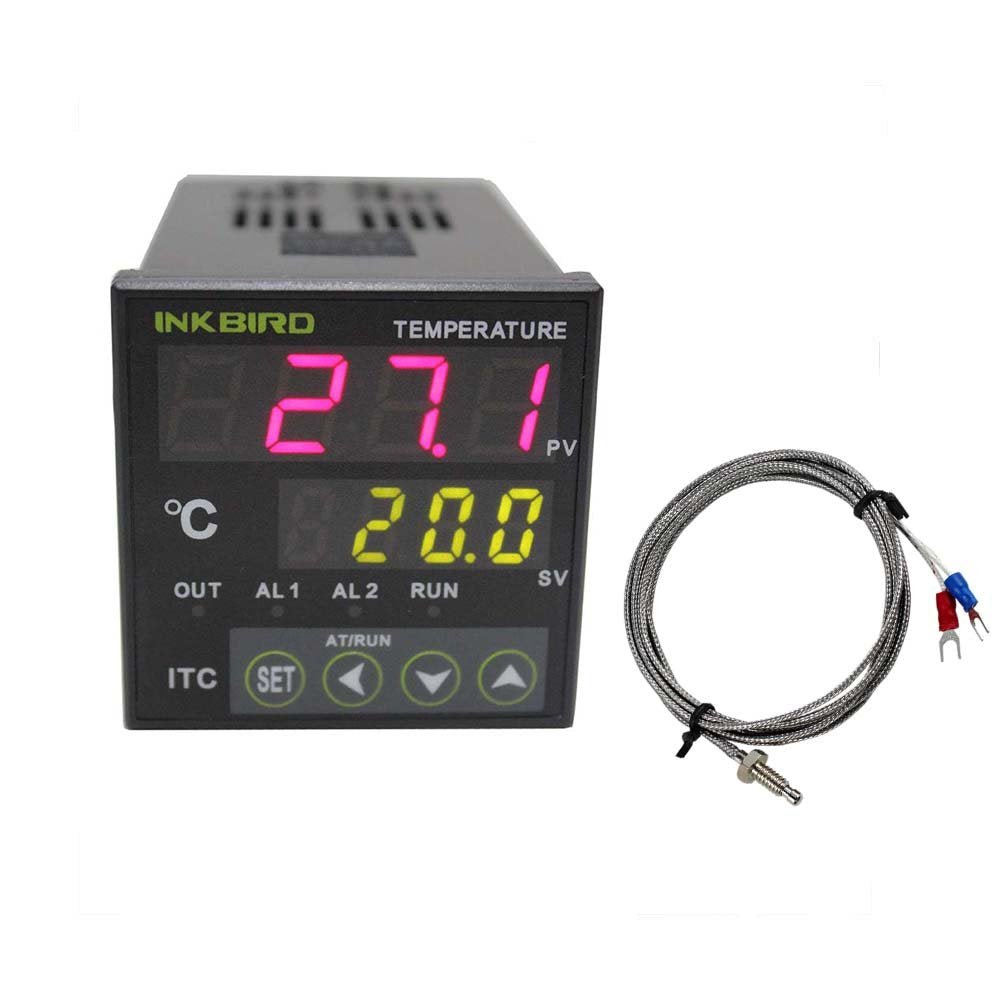
Proportional-Integral-Derivative (PID) Temperature Controllers: They are the most sophisticated type, combining proportional, integral, and derivative control. The proportional component adjusts the output power based on the temperature difference between the measured temperature and the set value. Meanwhile, the integral part works to eliminate any steady-state errors, ensuring accuracy over time. Lastly, the derivative term anticipates changes in temperature and adjusts the output accordingly, resulting in faster response times and greater stability.
What are advantages of using a temperature controller?
1. Precise temperature control, maintaining consistent temperatures within a process or system.
2. Energy efficiency, optimizing heating and cooling consumption.
3. Increased safety, preventing overheating or overcooling, which can sometimes be hazardous.
4. Automation temperature control for freeing up personnel for other duties.
5. Improved product quality, ensuring consistent manufacturing processes.
What are common applications for INKBIRD temperature controllers?
INKBIRD temperature controllers are versatile and can be used in various fields, including:
- Homebrewing and fermentation
- Aquariums and terrariums
- Greenhouses and hydroponics
- Incubation and hatching
- Industrial control
How to calibrate INKBIRD temperature controller?
If your temperature sensor is giving you inaccurate readings, you can use the temperature calibration function to align the measured temperature and actual temperature by inserting the probe into an ice water bath or comparing it to a calibrated, accurate thermometer. The calibration adjustment, referred to as (CA) is added to the measured temperature before it’s reported. (CA) can be a positive value, zero, or a negative value. Basically, the calibrated temperature = the measured temperature value + the calibration value.
How to use INKBIRD temperature controller?
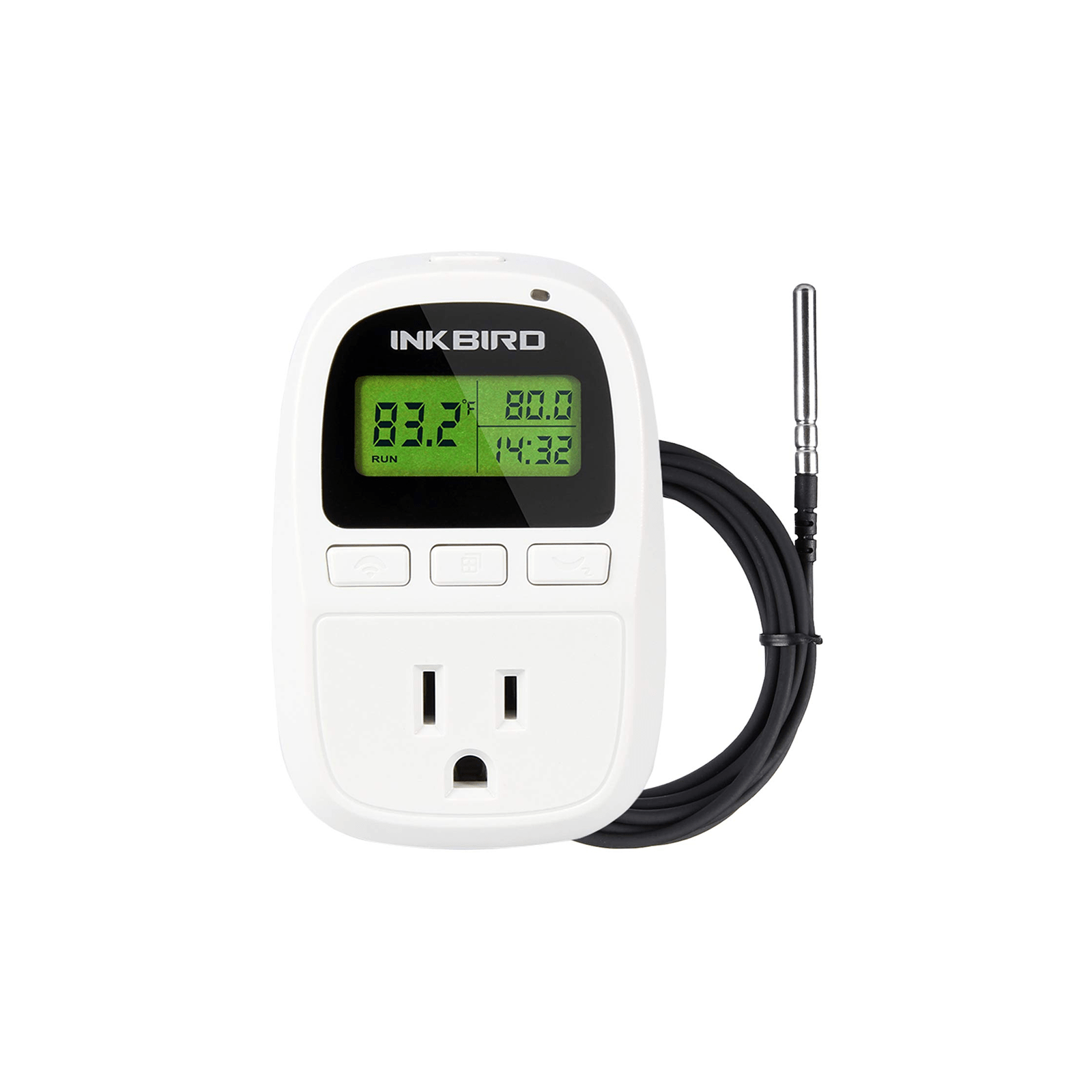
INKBIRD on/off temperature controllers all feature standard plug-and-play connections. You may simply plug your heating and/or cooling device into the designated socket on the controller, and then plug the controller into a standard wall outlet. Before doing so, make sure the controller’s relay capacity is sufficient for your device. For PID temperature controllers, however, you’ll need some technical know-how, so be sure to check the instruction sheet for a detailed connection diagram.
Can I use one INKBIRD temperature with both heating and cooling equipment?
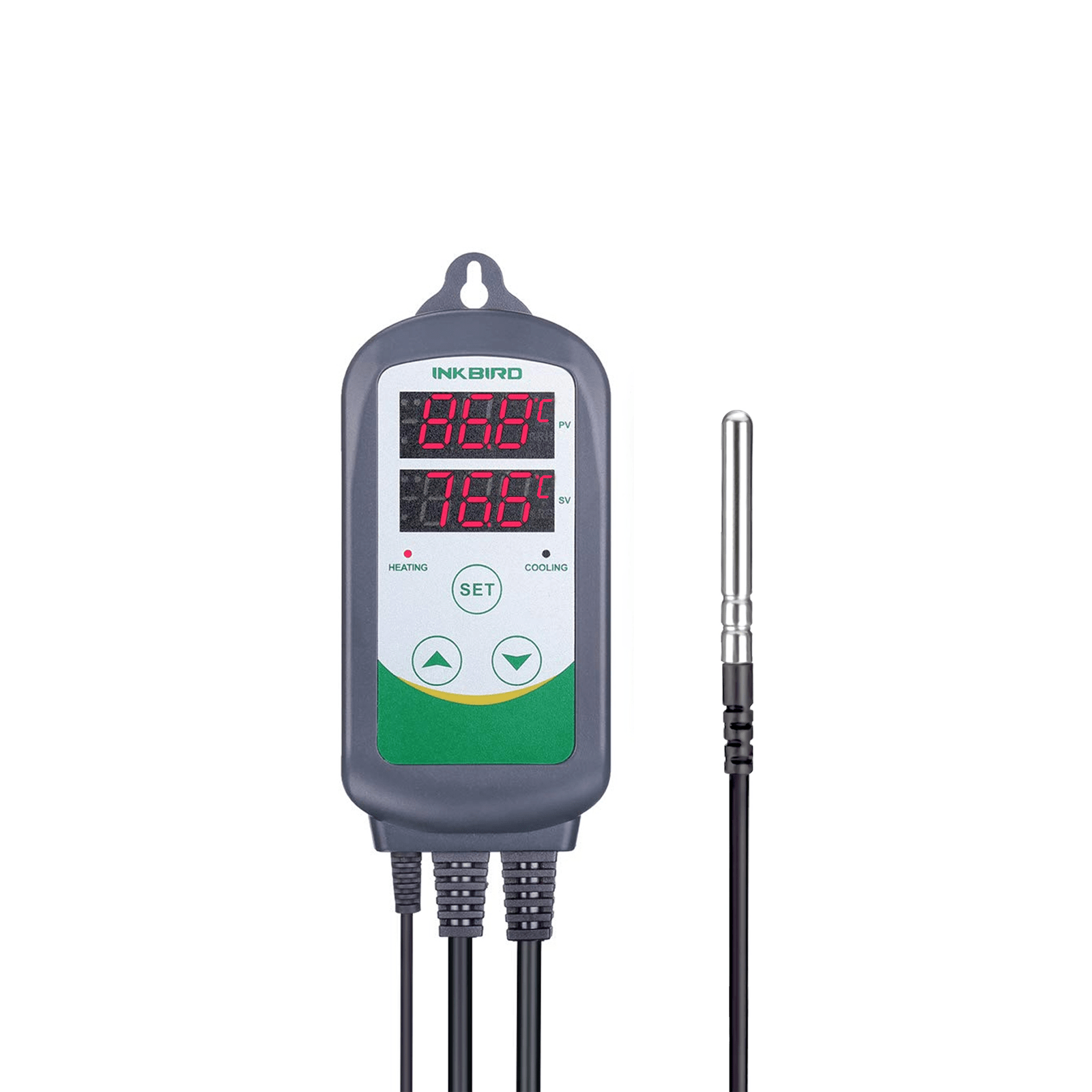
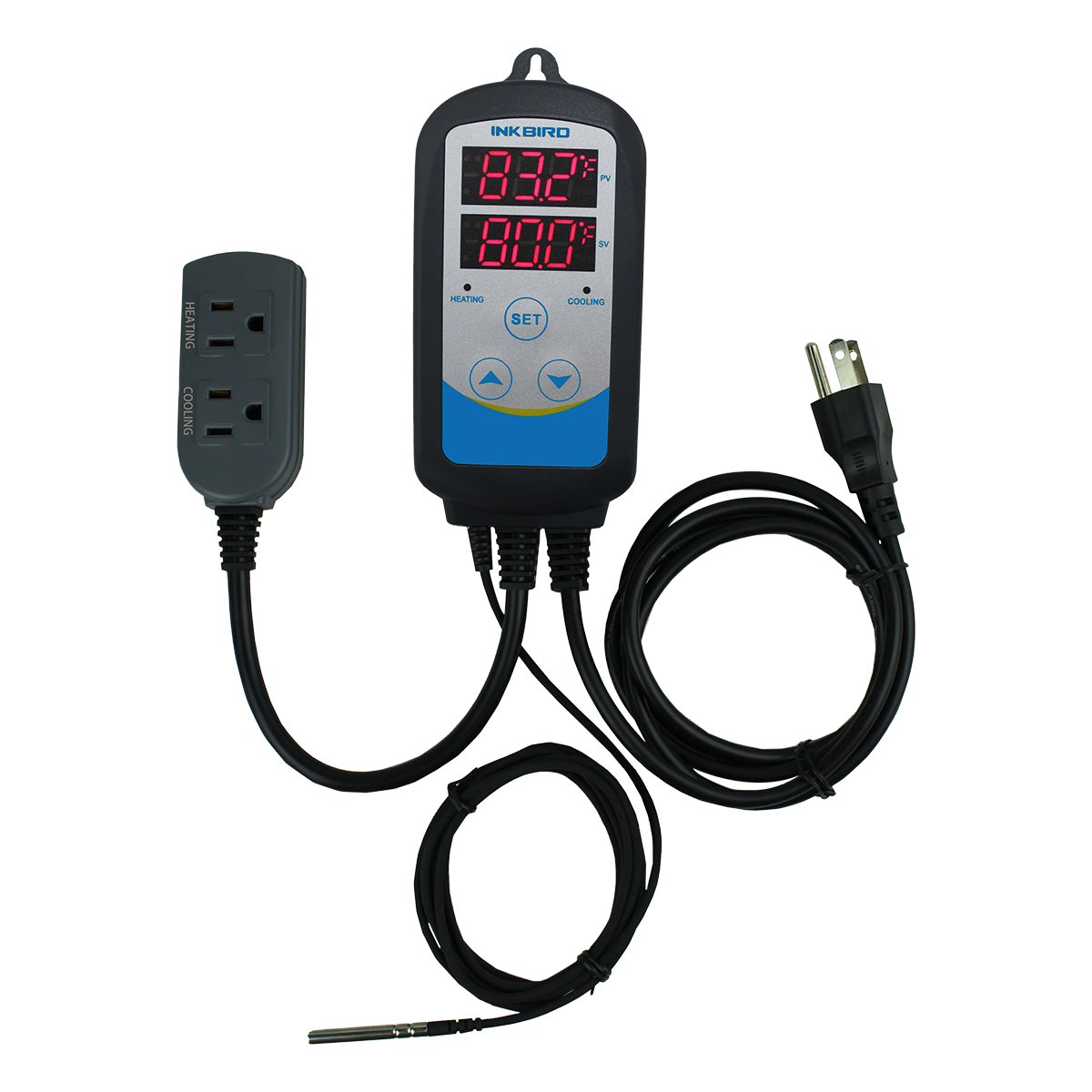
Yes, dual-relay models like ITC-308 can independently control heaters and coolers like AC units or heat mats.